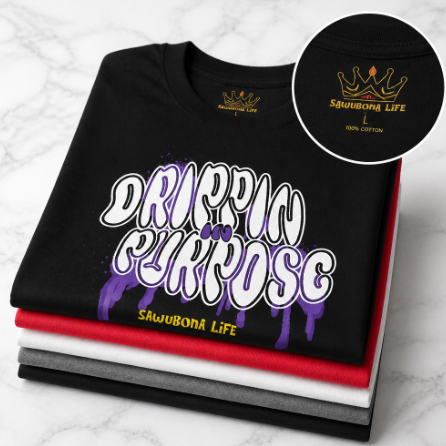
Drippin In Purpose Unisex Graphic Tees - Affirmation Apparel by Sawubona Life
Sawubona is a Zulu greeting that means “I see you.” More deeply, it carries the recognition that your presence matters: that being seen and seeing another person are acts of connection.
Before you get dressed, another person deserves to be seen, and that person is you.
What are you carrying this morning? What does your body need? Are you moving through the day with energy, exhaustion, focus, uncertainty, joy, or the quiet desire to be left alone?
In our previous post, “What You Wear While You Heal”, we explored how affirmation apparel can support a mindset shift. Today, we are continuing that conversation with a related question:
How can your mood affect what you wear, and how might what you wear gently influence your mood?
The answer is not a magical formula. A shirt cannot guarantee healing, manifestation, success, or happiness. But clothing can carry meaning. It can offer comfort, create a small ritual, reflect your values, mark a boundary, or remind you of who you are becoming.
I SEE YOU.
YOU ARE ALLOWED TO CHOOSE WITH INTENTION.
YOU SHOULD DRESS WITH INTENTION.
WHAT DOES “HIGH-VIBRATIONAL FASHION” REALLY MEAN?
The phrase high-vibrational fashion can sound mystical, especially when it appears alongside searches for high-vibrational fashion for manifesting. At Sawubona Life, we use the idea in a grounded, personal way.
High-vibrational fashion is not a scientifically proven category of clothing. It does not mean one fabric, color, or slogan automatically changes your emotional state. Instead, it describes an intentional approach to dressing: choosing pieces, textures, colors, words, and designs that feel aligned with your values, desired energy, comfort, or current needs.
For one person, that may mean an ultra-soft tee with a meaningful affirmation. For another, it may mean a familiar sweatshirt, a secondhand jacket, a work uniform, or a neutral outfit that requires no emotional performance.
High-vibrational fashion is not about looking elevated every day.
It is about asking:
Does this garment help me feel comfortable in my body?
Does it reflect something I value?
Does it support the way I want to move through this day?
Can I wear it again and again?
Does choosing it feel like care rather than pressure?
That is the heart of affirmation apparel for intentional living: not forcing yourself to feel positive but giving yourself a visible reminder of what matters.
THE TWO-WAY RELATIONSHIP BETWEEN MOOD AND CLOTHING
Your mood can shape your wardrobe choices in very ordinary, understandable ways.
When you feel depleted, you may reach for softness, familiar colors, loose silhouettes, or the outfit that requires the fewest decisions. When you feel expressive, you may choose a vivid print, bold color, statement graphic, or favorite accessory. When you need privacy, you may want something understated. When you need confidence, you may choose a garment that helps you feel more anchored in your presence.
None of these choices are shallow. They are information.
Your clothing can also become a cue. Putting on a familiar piece may signal the beginning of your workday, a creative practice, a community event, or a moment of rest. A soft garment may make moving through a long day feel more manageable. A meaningful phrase may invite you to pause before responding. A striking design may become a conversation starter or a quiet declaration of belonging.
This influence is gentle and personal. It is not a promise that clothing will transform your mood on command.
Some days, your clothes may support you toward confidence. Other days, they may simply help you get through the morning. Both are valid.
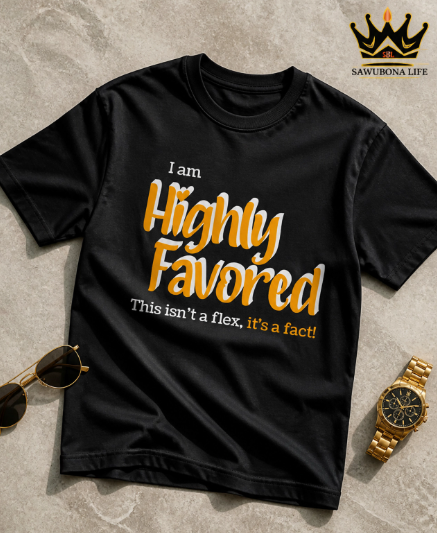
Highly Favored Black Unisex Graphic Tee - Affirmation Apparel by Sawubona Life
FAST FASHION: NOVELTY, ACCESS, AND PRESSURE
Fast fashion generally refers to a production and shopping model built around speed, frequent trend cycles, low prices, and rapid releases. It can make clothing accessible to more people, support experimentation, and help someone find an outfit for a specific event or season.
Fast fashion is not automatically morally or emotionally inferior in every individual situation. A person may choose it because of budget, sizing, location, convenience, work requirements, or a need for something immediately available. Affordable clothing can be practical. Secondhand, borrowed, repaired, and hand-me-down clothing can be deeply meaningful.
The concern is less about shaming individual garments and more about noticing the pressures that often surround the model:
New trends arrive faster than many people can meaningfully enjoy them.
Low prices can encourage impulse buying or overconsumption.
Trend cycles can create the feeling that your identity must constantly be reinvented.
Lower durability may lead to frustration when garments do not last.
A crowded wardrobe can create decision fatigue rather than ease.
Shopping may become a temporary emotional escape from stress, boredom, or insecurity.
The question is not, “Did I buy the perfect thing?”
The question is, “Is this choice serving me?”
You can participate in fashion without allowing fashion to define your worth. You can enjoy a trend and still refuse the pressure to keep up with every trend. You can buy something affordable and still care for it, restyle it, repair it, or pass it along.
NO SHAME.
NO PERFECTION.
JUST MORE AWARENESS.
INTENTIONAL FASHION MAKES ROOM FOR MEANING
Intentional fashion slows down the relationship between desire and purchase. It gives you a moment to consider not only how a garment looks, but how it feels, what it communicates, and whether it belongs in your real life.
This is where Sawubona Life comes in.
As a Black/women-owned business, Sawubona Life creates affirmation apparel designed to help people move with intention and embody their truth. Our tees are not presented as emotional cures. They are wearable reminders: small, tangible anchors that can meet you in the middle of your becoming.
The Celebrated Tee, with its crown graphic and declaration, “I SHOULD BE CELEBRATED, NOT TOLERATED,” can speak to self-worth, boundaries, and the decision to stop shrinking for conditional acceptance.
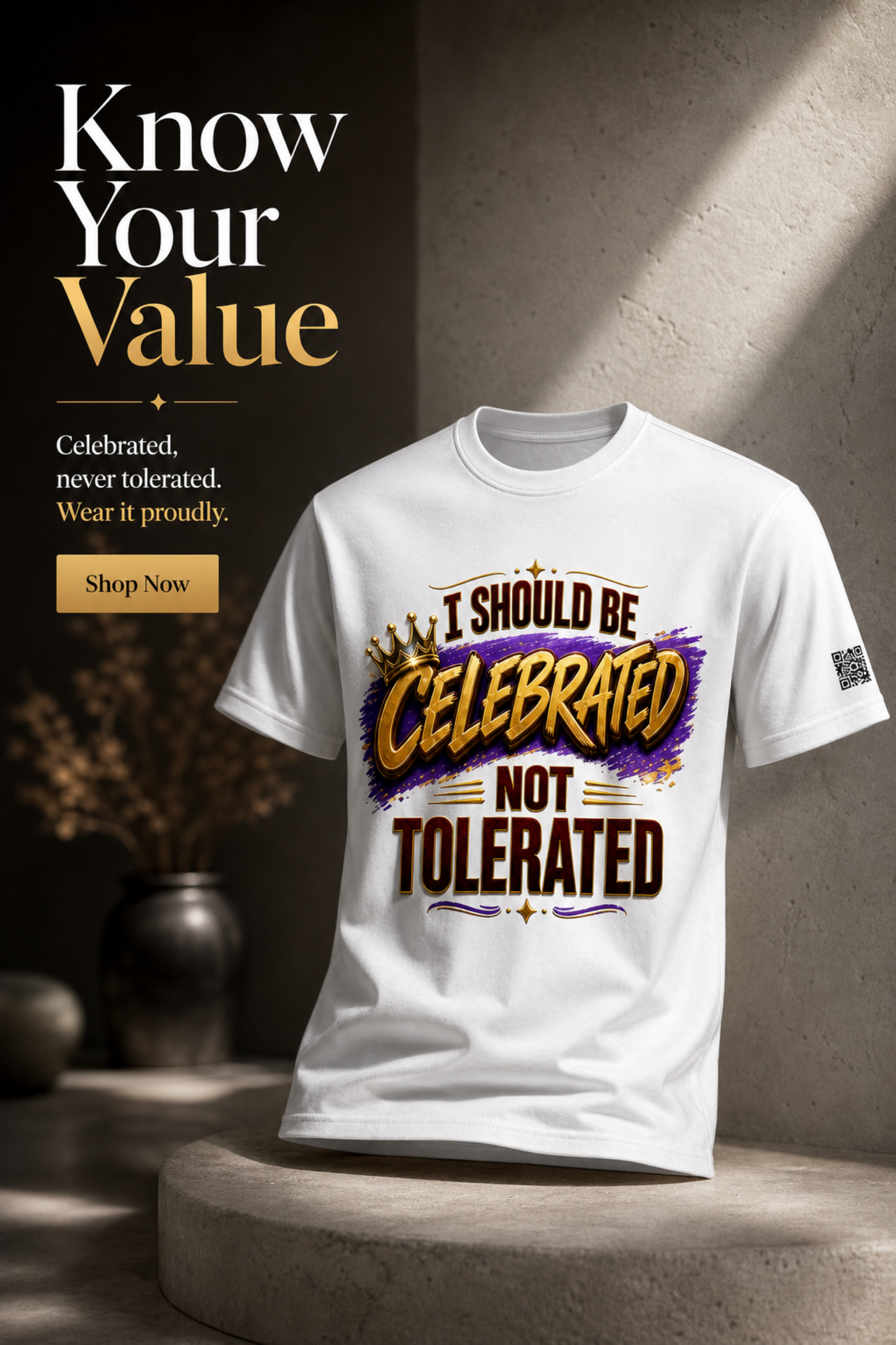
Celebrated 2.0 Unisex Graphic Tee - Affirmation Apparel by Sawubona Life
The Anointed Lion uses vibrant, watercolor-inspired artwork as an expression of purpose and spiritual grounding. Its message may remind you that you do not need to perform your worth to carry meaning.
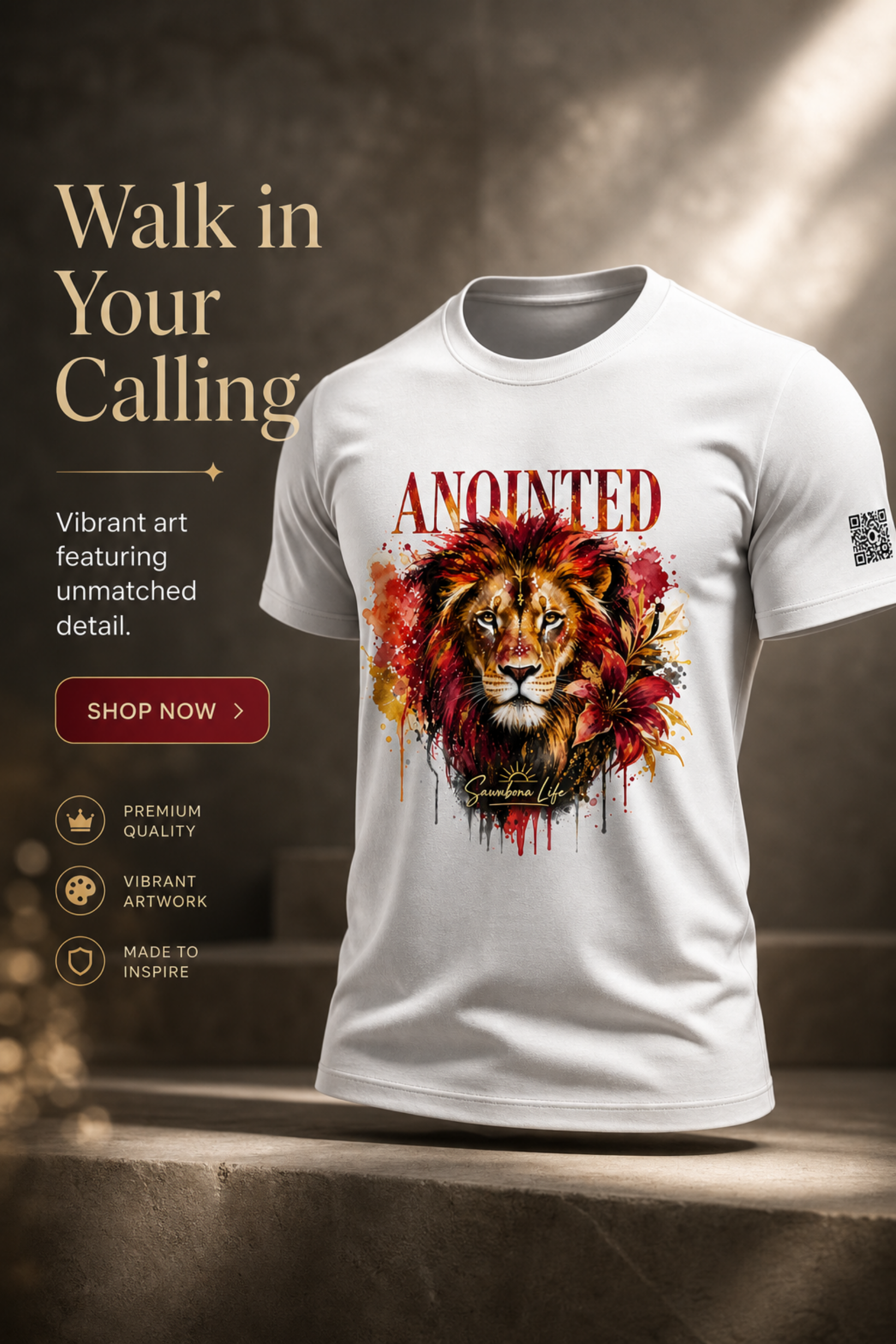
Anointed Lion 2.0 Unisex Graphic Tee - Affirmation Apparel by Sawubona Life
The Majestic Lion and Lioness designs reflect leadership, legacy, quiet authority, and self-recognition. Being crowned is not about being placed above others. It is about recognizing the power and purpose already within you.
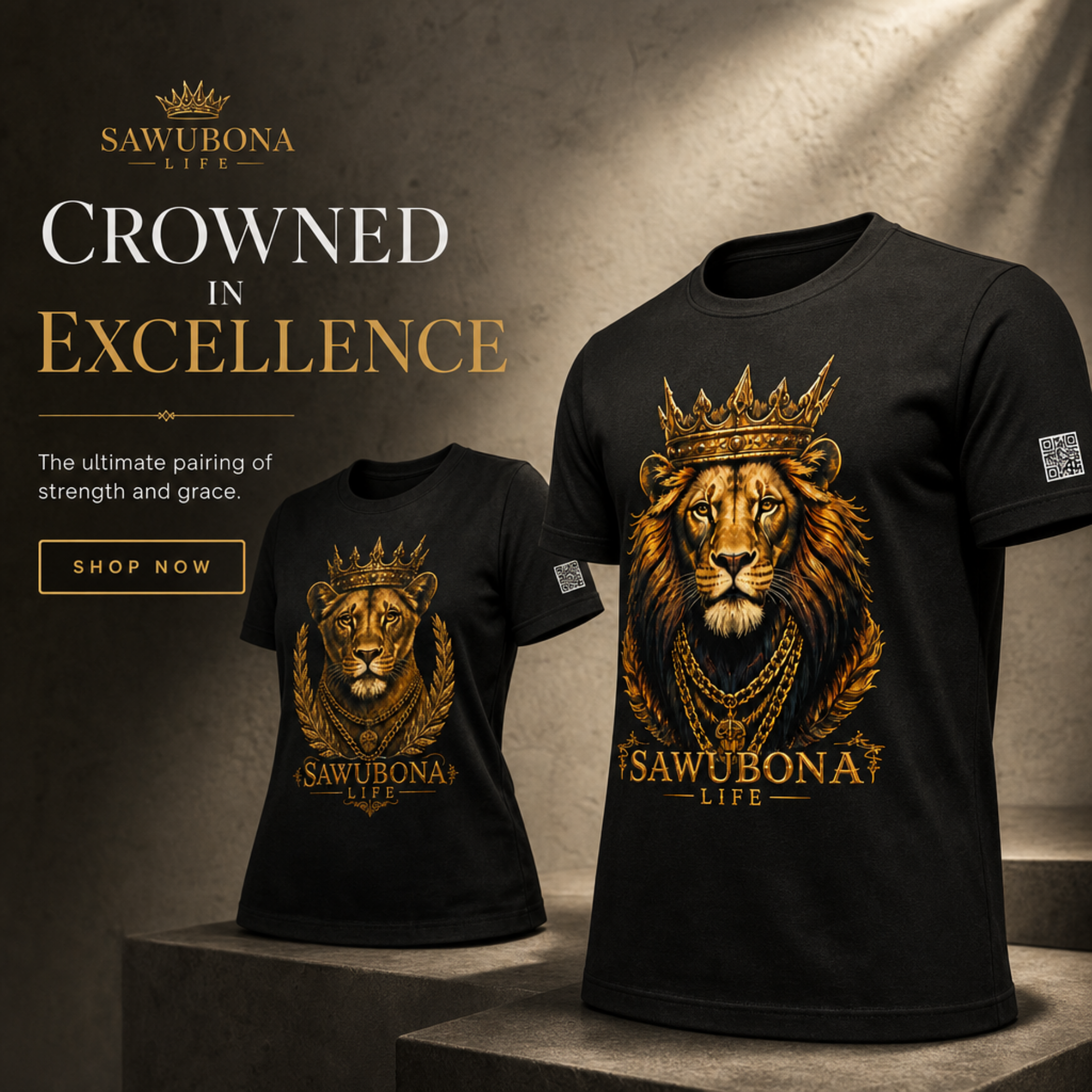
Crowned Majestic Lion and Lioness Unisex Graphic Tees - Affirmation Apparel by Sawubona Life
The Powerful Elephant carries themes of wisdom, resilience, grounded strength, and collective power. Its relaxed unisex silhouette can become an easy everyday layer: the kind of piece that lets your body breathe while the message holds its place.
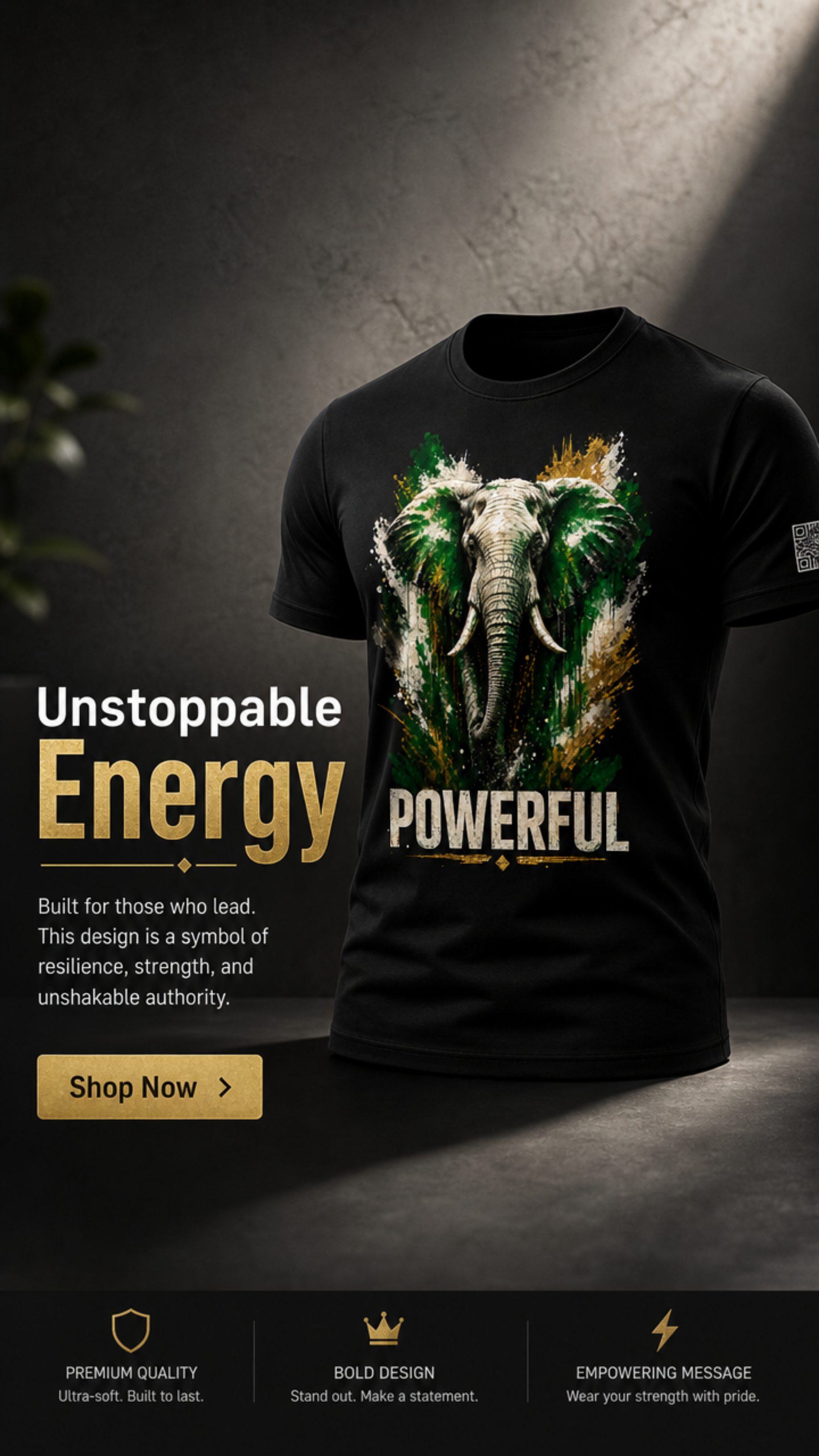
Powerful Elephant 2.0 Unisex Graphic Tee - Affirmation Apparel by Sawubona Life
All Sawubona Life tees have a QR code on the wearer’s left sleeve. When it is part of the design, it creates a low-pressure point of connection: an invitation to explore community, encouragement, or digital resources on your own terms.
Our Sickle Cell Warrior and Sickle Cell Warrior Supporter tees offer another example of apparel as awareness and solidarity. The garment does not speak for an entire experience, but it can visibly communicate care, recognition, and support.
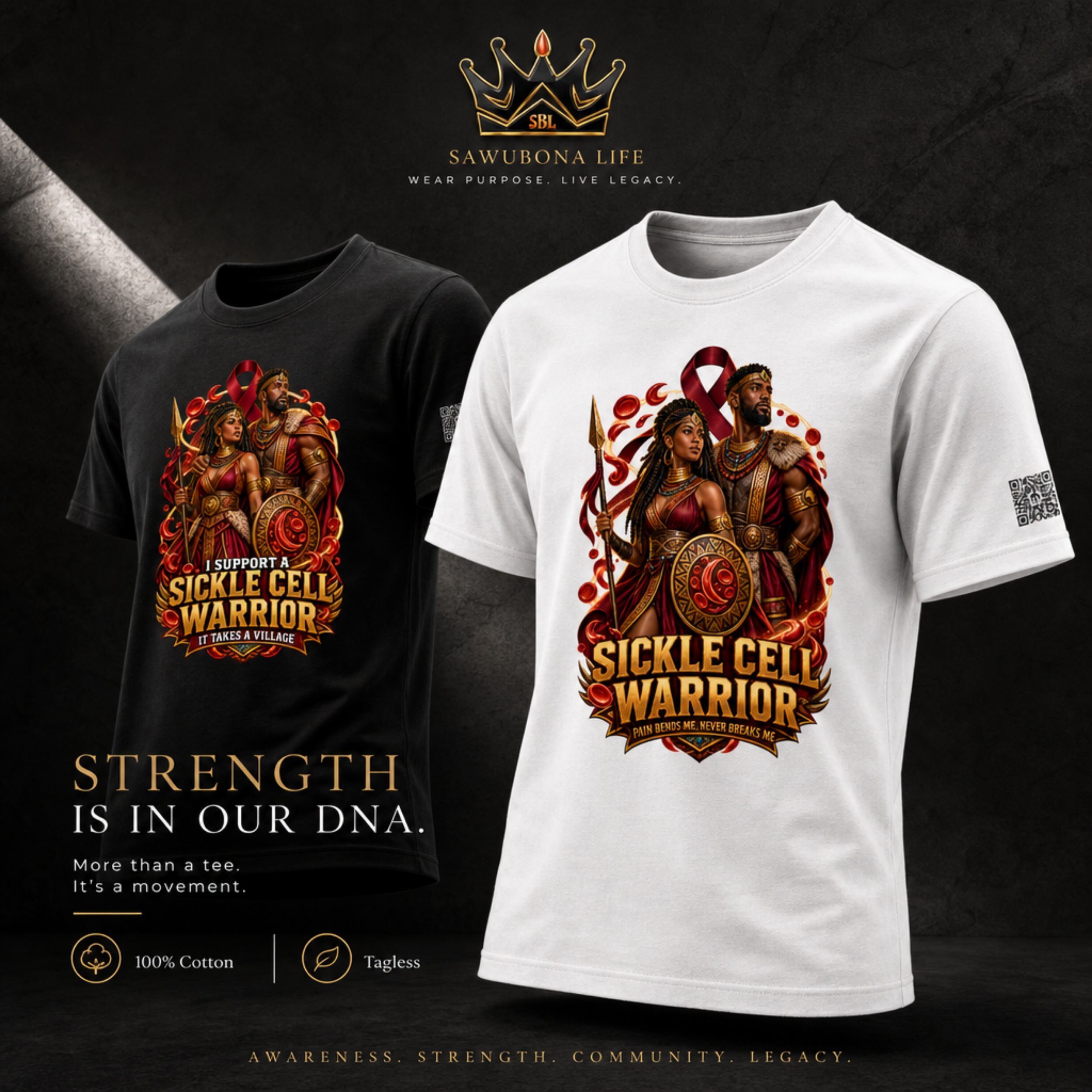
Sickle Cell Warrior and Supporter Graphic Tees - Affirmation Apparel by Sawubona Life
WEAR THE MESSAGE.
EMBRACE THE AUTHENTICITY.
LET THE MEANING BE YOURS.
BEFORE YOU GET DRESSED, ASK…
Intentional dressing does not need to become another task on your list. Take a breath and consider:
What am I feeling right now?
What do I need today: comfort, ease, protection, confidence, expression, or connection?
Does this garment support my body and sensory needs?
Will I be distracted by the fabric, fit, tags, seams, or temperature?
Am I choosing this because it serves me, or because a trend pressured me?
Can I restyle something I already own?
Do I want to be expressive today, or would neutrality feel more supportive?
You do not have to dress inspirationally every day.
You do not have to wear bright colors when you feel low. You do not have to put on a slogan when you need quiet. You do not have to purchase new clothing to prove that you are evolving.
Sometimes intentional living looks like wearing the same comfortable outfit again. Sometimes it looks like borrowing a jacket, shopping secondhand, choosing an affordable option, or staying in pajamas longer while you rest.
COMFORT IS A CHOICE.
NEUTRALITY IS A CHOICE.
EXPRESSION IS A CHOICE.
SO, WHICH ONE ACTUALLY CHANGES YOUR MOOD?
Neither high-vibrational fashion nor fast fashion can guarantee a mood change.
Fast fashion may offer novelty, experimentation, and immediate access. Intentional fashion may help you pause, reconnect with your values, and choose garments that feel meaningful and wearable in your actual life. Either way, the emotional experience comes from a larger relationship between your body, your circumstances, your memories, your environment, and your sense of self.
Clothing is one small part of care. It cannot replace therapy, medical care, rest, financial support, safe relationships, or other meaningful resources.
But one small part can still matter.
A shirt can remind you to protect your peace. A color can help you feel more like yourself. A familiar texture can make a demanding day easier. A message can start a conversation. A garment can accompany you while you evolve.
That is enough.
The goal is not to dress perfectly or force a mood. The goal is to choose with awareness, wear what supports you, and let clothing become one small, expressive part of intentional living.
Shop Sawubona Life’s affirmation apparel and purchase what feels aligned, useful, comfortable, and true to you.
I SEE YOU.
YOU ARE ALLOWED TO MOVE AT YOUR OWN PACE.
YOU ARE ALREADY BECOMING.
This post is for inspirational and educational purposes only. It is not medical or mental health advice and does not replace professional care.