
National Sickle Cell Awareness Month Graphic by Sawubona Life
Sawubona is a Zulu greeting often understood as “I see you.” It is more than a hello. It is an act of recognition, a way of affirming another person’s presence, dignity, and humanity.
That spirit is at the heart of this post.
During National Sickle Cell Awareness Month, we are choosing to see the people living with Sickle Cell Disease (SCD), the families walking beside them, and the communities working toward better care, deeper understanding, and new possibilities.
This is personal for Sawubona Life. My sister La’Kieta, who co-founded this vision with me, lives with SCD. She shapes our brand every day, and sharing this resource is an extension of our shared commitment to advocacy, visibility, and love.
SEE THE PERSON.
NOT ONLY THE DIAGNOSIS.
ACKNOWLEDGE THEIR STRENGTH.
WHAT IS SICKLE CELL DISEASE?
SCD is an inherited group of blood disorders involving abnormal hemoglobin. Hemoglobin is the protein inside red blood cells that carries oxygen throughout the body.
Healthy red blood cells are generally round, flexible, and able to move smoothly through blood vessels. With SCD, red blood cells can become rigid, sticky, and crescent or “sickle” shaped. These cells can break down earlier than healthy red blood cells, contributing to anemia. They may also block blood flow through small vessels, reducing oxygen delivery to tissues and organs.
Those blockages and the body’s ongoing effort to replace damaged cells can lead to pain, fatigue, infections, and serious complications.
Some people use the phrase “sickle cell anemia” when talking about SCD. Sickle cell anemia is one type of SCD, not a separate condition called “Sickle Anemia Disease.” Using accurate language helps us communicate clearly and respectfully.
The CDC’s overview of Sickle Cell Disease and its SCD fact sheet offer accessible explanations of how the disease affects the body.
SICKLE CELL DISEASE AND SICKLE CELL TRAIT ARE NOT THE SAME
SCD and Sickle Cell Trait are related, but are not interchangeable.
A person with SCD inherits gene changes that can cause ongoing health effects associated with abnormal hemoglobin. SCD is lifelong and requires continuing medical care.
A person with Sickle Cell Trait inherits one copy of a sickle cell gene, usually from one parent. Most people with Sickle Cell Trait do not have the symptoms of SCD. However, they can pass the gene on to their children.
Neither SCD nor Sickle Cell Trait should be treated as a source of shame. Both are inherited, not caused by a person’s choices, character, faith, effort, or lifestyle. The NHLBI’s information on Sickle Cell Trait explains the distinction in greater detail.
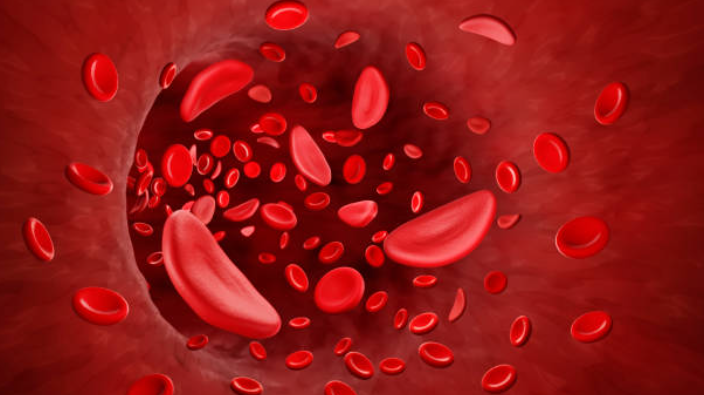
An image showing the difference between flexible, round red blood cells and rigid, crescent-shaped sickled cells
INFORMATION REPLACES ASSUMPTION.
COMPASSION REPLACES STIGMA.
SUPPORT REPLACES ISOLATION.
WHAT LIVING WITH SCD CAN INVOLVE
SCD affects people differently. Symptoms, complications, frequency of pain episodes, and treatment needs can vary from person to person and may change over time.
Common experiences and possible complications include:
Anemia and fatigue: Because sickled red blood cells can break down early, the body may have fewer healthy red blood cells available to carry oxygen. This can contribute to exhaustion, weakness, shortness of breath, dizziness, or reduced stamina.
Pain episodes: Sickled cells may block blood flow, causing sudden or severe pain. These episodes are sometimes called pain crises, sickle cell crises, or vaso-occlusive crises. They can last for different lengths of time and may require treatment in a clinic or hospital.
Infections: SCD can impair the spleen’s ability to protect the body against certain infections. Fever and other signs of infection should be taken seriously.
Acute chest syndrome: Chest pain, coughing, fever, and breathing difficulty can signal acute chest syndrome, a serious complication that requires hospital treatment.
Stroke risk: Reduced or blocked blood flow to the brain can increase the risk of stroke. Sudden weakness, numbness, confusion, trouble speaking, or difficulty seeing or walking are emergency warning signs.
Organ complications: Over time, SCD can affect the lungs, kidneys, eyes, bones, heart, and other organs.
The NHLBI overview of Sickle Cell Disease and its symptoms guide provides more detail about these effects.
But a list of complications can never tell the whole story.
A person living with SCD may be a student, parent, artist, professional, friend, leader, partner, or community builder. They may experience pain that others cannot see. They may need accommodations, flexibility, or time to recover. They may also experience joy, purpose, ambition, humor, faith, and deep connection.
Watching my sister navigate her life while building a business has shown me firsthand that SCD is something a person manages—it is never the entirety of who they are.
THE STRENGTH IT TAKES TO BE BELIEVED
My sister has often shared that one of the burdens of living with SCD is the burden of proving that you are sick.
Pain is not always visible. Fatigue is not always obvious. A person may look well and still be managing intense symptoms, treatment demands, medical appointments, or fear about what might happen next.
People with SCD deserve to be believed and treated with dignity. They deserve healthcare workers who actively listen. They deserve timely pain care without suspicion or judgment. They deserve schools and workplaces that understand reasonable accommodations. They deserve rest without being called lazy and support without being placed on an exhausting pedestal of “survivor” expectations. We can honor resilience without demanding endless endurance.

Sickle Cell Warrior Graphic by Sawubona Life
LISTEN TO THE LIVED EXPERIENCE.
MAKE ROOM FOR REST.
HONOR THEIR RESILIENCE.
DIAGNOSIS, CARE, AND TREATMENT
SCD is often identified through newborn screening shortly after birth. Blood testing can also help diagnose SCD or identify the sickle cell trait. Additional testing may clarify the specific type of SCD a person has.
Ongoing care generally involves a healthcare team, which may include a primary care clinician and a hematologist, a doctor specializing in blood disorders. Treatment is individualized because there is no single care plan that works for everyone.
Depending on a person’s needs, care may include:
Regular follow-up appointments and monitoring for complications
Vaccinations and infection-prevention strategies
Hydration and avoiding known triggers as recommended by a healthcare team
A personalized pain-management plan
Medications such as hydroxyurea when prescribed
Blood transfusions when medically indicated
Screening for complications involving the eyes, kidneys, brain, lungs, and other organs
Advanced options, including stem-cell transplant or gene therapies, for some people who meet specific medical criteria
The NHLBI guide to living with SCD emphasizes the importance of routine care and working closely with a healthcare team. Newer therapies offer hope, but advanced treatment is not appropriate or accessible for everyone and requires careful evaluation by specialists.
Home strategies can be part of an established care plan, but they do not replace urgent medical attention.
WHEN TO SEEK EMERGENCY CARE
Follow the emergency plan provided by your healthcare team. Seek prompt medical attention, or call 911 when appropriate, for symptoms such as:
Fever
Chest pain, coughing, or difficulty breathing
Sudden weakness, numbness, confusion, trouble speaking, seeing, or walking
Severe or uncontrolled pain
Extreme fatigue, dizziness, fainting, or other concerning symptoms
Acute chest syndrome and stroke can be life-threatening. When in doubt, do not delay contacting a qualified healthcare professional.
HOW TO SHOW UP WITH INTENTION
During September, and throughout the year:
Learn from reliable sources. Begin with the CDC, NHLBI, and the Sickle Cell Disease Association of America’s National Sickle Cell Awareness Month resources.
Listen to people living with SCD. Let lived experience lead the conversation.
Challenge myths. Do not assume someone is exaggerating because their pain is invisible.
Support research and blood drives through reputable organizations, medical centers, and local blood-service providers.
Ask how to help. “What support would feel useful right now?” is more caring than making assumptions.
Share accurate education. Visibility can help someone receive understanding instead of stigma.
If this educational blog post helped you understand SCD more clearly, share it for education while protecting the privacy of people whose stories are not yours to tell. Let awareness become action. Let compassion become practice. Let every conversation make more room for dignity, care, research, and hope.
This post does not replace advice, diagnosis, or treatment from a qualified healthcare professional. For personal medical questions, please speak with your healthcare team.
WE SEE YOU.
WE BELIEVE YOU.
YOU ARE MORE THAN A DIAGNOSIS.