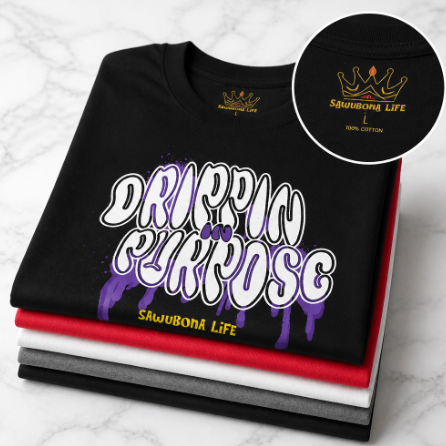
Dripping in Purpose Unisex Graphic Tee - Affirmation Apparel by Sawubona Life
SAWUBONA.
It is a Zulu greeting that carries a weight much heavier than a simple "hello." It means "I see you." Not just your physical form, but your ancestors, your spirit, and your truth. At Sawubona Life, this philosophy is the heartbeat of every thread we weave.
Today, we are reinforcing the importance of wearing sensory-friendly clothing. Sawubona Life is here to help you.
Why Sensory Friendly Clothing for Adults Matters
Sensory-friendly clothing for adults is apparel designed to reduce tactile irritation, pressure points, and other physical triggers that can overwhelm the nervous system. For neurodivergent adults, the right fabric and construction can mean the difference between a functional day and a shutdown.
Key Takeaway: Sensory comfort is not a luxury preference. For many adults, it is the foundation of a manageable day.
Common Sensory Triggers in Everyday Clothing
The biggest triggers in adult clothing are tags, raised seams, scratchy fabric blends, and inconsistent fit. These cause what researchers call tactile defensiveness, an exaggerated response to touch that many neurodivergent people experience daily.
Tags, Seams, and Fabric Texture
A neck tag is the most common complaint, and the easiest to fix. Flat-lock seams and tagless construction remove the two most frequent sources of irritation. Fabric texture matters just as much: polyester blends, wool, and stiff cotton can feel abrasive against skin, while brushed cotton and modal feel smooth.
Fit, Compression, and Weight
Fit is where sensory-friendly clothing for adults gets complicated. Too loose and fabric shifts constantly. Too tight and it restricts movement and breathing. The goal is a non-restrictive, ergonomic fit that stays put without pressure. Weight matters too: heavy garments can feel suffocating, while very light ones may not provide the deep pressure some people find calming.
Fabrics for Sensory Processing Disorder: What Works and Why
The best fabrics for sensory processing disorder are soft, breathable, and low-irritation: organic cotton, bamboo viscose, modal, and Tencel lyocell top most lists. But "soft" is not a fiber property; it is the result of fiber length, yarn spin, knit structure, and finish. Understanding those variables is what separates a shirt that stays comfortable for years from one that turns scratchy after three washes.
What Actually Makes a Fabric Feel Good
Four factors drive tactile comfort:
Fiber length. Long-staple and extra-long-staple cotton produce fewer exposed fiber ends, so the surface stays smooth instead of fuzzy and prickly.
Yarn and knit structure. Fine-gauge jersey and interlock knits lie flatter against your skin compared to coarse single-knit or fleece-back fabrics. Interlock has two smooth faces, which is why it is common in tagless base layers.
Weight (GSM). Garment weight is measured in grams per square meter. Roughly: 120-150 GSM is a light tee, 150-190 GSM is a standard tee, 200-260 GSM is a heavy tee or light sweatshirt. Very light fabric can feel flimsy and shift; very heavy fabric can feel smothering. Most adults with tactile sensitivity land in the 150-200 GSM range for tops.
Finish and dye. Enzymatic softening, silicone washes, and garment dyeing change hand-feel. Some people react to residual dye or softener, so unscented, dye-conscious options help.
Fiber-by-Fiber Trade-Offs
How to Read a Fabric Label Like a Pro
Look for the full percentage breakdown, not just the lead fiber.
Prefer long-staple callouts (Pima, Supima, Egyptian, extra-long-staple).
Check GSM if the brand lists it; if not, ask.
Avoid "brushed" interior on anything worn against skin unless you have tested it, brushing can feel plush or fuzzy-scratchy depending on fiber.
For base layers, favor interlock or fine-gauge jersey over fleece-back.
Watch Out: "Soft" on a product page means nothing without the fiber breakdown. A shirt can feel smooth in your hand and turn scratchy once washed if it is a high-polyester blend. Always check the composition before buying.
Matching Fabric to Sensory Profile
Tactile-avoidant: long-staple cotton, modal, Tencel; smooth interlock; 150-190 GSM.
Tactile-seeking: heavier knits (220-280 GSM), ribbed textures, brushed cotton, the weight and texture provide calming input.
Temperature-sensitive: merino at 17.5 micron or finer, bamboo viscose, or a cotton/modal blend; avoid high-polyester content.
Sweat-sensitive: moisture-wicking modal or merino; avoid cotton next to skin during heavy activity, since it holds moisture.
A common mistake is buying one "sensory" tee and assuming the whole category behaves the same. Fiber, weight, and finish vary enough that two shirts in the same size can feel completely different. Test one garment before committing to a rotation.
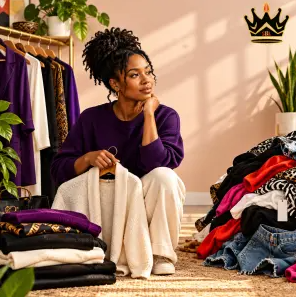
Neurodivergent woman contemplating her clothing choices
How to Make Clothes More Sensory Friendly
You can make most clothing more sensory friendly without replacing your wardrobe. Simple modifications remove the majority of daily irritants at little cost.
DIY Modifications at Home
Start with the fastest fixes:
Cut out neck tags completely with sharp scissors
Turn socks and shirts inside out if seams bother you
Add a soft undershirt as a barrier layer
Replace rough buttons with magnetic closures
Wash new garments twice to soften stiff fabric
Layering Strategies for Sensory Regulation
Layering is the most underused tool for sensory regulation. A soft base layer against skin, a mid layer for warmth, and an outer layer you can remove give you control over pressure and temperature throughout the day. For sensory-seeking adults, a snug base layer can provide calming proprioceptive input. For sensory-avoiding adults, keep layers loose and light.
Best Sensory Friendly Clothing Brands to Explore
Most "best brands" lists for sensory-friendly clothing stop at loungewear and basics. The bigger gap, and the one that matters most for adults who work outside the home, is professional and everyday wear that holds up to a full day. Below is a framework for evaluating any brand, plus the categories where sensory-friendly options are strongest and weakest.
What Separates a Real Sensory Brand From a Marketing Claim
Use this checklist before buying from any brand:
Full fiber composition listed, not just "soft cotton"
Fabric weight (GSM) or a clear description of hand-feel and thickness
Tagless or flat-lock seam construction stated explicitly
Detailed sizing with garment measurements, not just S/M/L
Verifiable ethical and sustainability practices
A brand that cannot answer "what is the fiber content and weight of this shirt?" in one sentence is not a sensory brand, it is a soft-clothing brand.
Where Sensory-Friendly Options Are Strong
Base layers and tees. This is the most mature category. Look for long-staple cotton, modal, or Tencel in 150-190 GSM, tagless necks, and flat-lock or bonded seams.
Loungewear and sleepwear. Wide waistbands, no hardware, and soft elastic are common. Watch for drawstrings that dig in.
Seamless underwear. Bonded or laser-cut edges eliminate the side seam and leg-band rub that drives most complaints.
Seamless socks. Toe seams are the number-one sock complaint; look for hand-linked or seamless toe construction and a wide, non-binding cuff.
Where Sensory-Friendly Options Are Weak
Professional wear. Button-downs, blazers, and dress trousers are still dominated by stiff collars, fused interlining, and rough buttons. Magnetic closures and soft-shoulder construction exist but are rare.
Footwear. Wide-toe-box, seamless-lining shoes are a small niche. Most dress shoes still have hard heel counters and stitched seams.
Accessories. Belts, watch bands, and bag straps are usually an afterthought, with metal hardware against skin.
How to Evaluate a Brand in 10 Minutes
Open the product page and find the fiber composition. If it is not listed, move on.
Search the reviews for the words "seam," "tag," "itch," and "washed." Patterns show up fast.
Look for a size chart with garment measurements, not body measurements only.
If the brand sells workwear, check whether closures are magnetic or standard buttons.
A Note on Identity and Comfort
For some adults, sensory comfort and cultural identity are not separate goals. Brands that pair soft construction with designs that reflect the wearer's background, rather than generic gray basics, fill a real gap. Sawubona Life is one example: a Black, women-owned conscious apparel brand built on premium, ultra-soft, tagless clothing paired with mindfulness digital tools, and a subtle sleeve QR code that offers quiet advocacy without broadcasting a mental health journey.
Pro Tip: Buy one garment from a new brand before committing to a rotation. Fiber, weight, and finish vary enough that two shirts in the same size can feel completely different.
Sensory Friendly Professional Wear and Accessories
Professional wear is where sensory-friendly options thin out fast. Most brands target casual basics, leaving workwear, footwear, and accessories underserved. Here is what to prioritize.
Pro Tip: Test new workwear on a low-stakes day first. A shirt that feels fine for ten minutes can become unbearable by hour four, and you want to discover that at home, not in a meeting.
Frequently Asked Questions
What are the key features to look for in sensory-friendly clothing for adults?
Prioritize tagless necklines, flat-lock seams, and soft-touch fabrics like organic cotton or bamboo viscose. Look for non-restrictive fits that allow movement without excess fabric bunching. Magnetic closures, instead of buttons or zippers, help if fine motor skills are a challenge. Breathable, moisture-wicking materials reduce irritation from sweat. Weighted or compression options can provide proprioceptive input for self-regulation. Always check the fabric composition and return policy before committing, since tactile sensitivity varies from person to person.
What is the difference between adaptive clothing and sensory-friendly clothing?
Adaptive clothing focuses on ease of dressing, using features like magnetic closures, easy-access openings, and seated designs for people with physical disabilities. Sensory-friendly clothing targets tactile sensitivity and sensory processing needs, emphasizing tagless construction, seamless design, and specific fabric textures. Some garments combine both approaches. For adults with autism or sensory processing disorder, the priority is usually reducing tactile triggers rather than simplifying fasteners, though the two categories often overlap in practice.
How do I make my existing clothes more sensory-friendly?
Start by removing tags carefully with a seam ripper. Wash new garments with fragrance-free detergent and fabric softener to soften stiff fibers. Wear a soft base layer under scratchy items to create a barrier. For seams that irritate, try wearing the garment inside out or apply soft seam tape over the problem area. Compression undershirts can help with sensory-seeking needs. If a fabric still feels wrong after a few washes, it may not be the right match for your tactile defensiveness.
Are there specific fabrics that are better for sensory processing sensitivities?
Organic cotton, bamboo viscose, and modal fabric are commonly recommended because they feel soft against the skin and breathe well. These materials are hypoallergenic and less likely to cause textile irritation than synthetic blends. Moisture-wicking fabrics help if sweat triggers discomfort. Avoid rough wool, stiff denim, and fabrics with high synthetic content unless they are specifically designed for soft-touch wear. Always test a small area first, since individual sensitivity to fabric composition varies widely.
Why Choose Sawubona Life
Finding clothing that respects both your sensory needs and your identity should not require compromise. Sawubona Life builds tagless, ultra-soft apparel with mindfulness tools woven in, from premium fabrics to a subtle sleeve QR code that anchors your mental health journey. Explore the collection and find pieces that honor your comfort and your worth.
Shop Now with Sawubona Life and dress in clothing that supports how you actually feel.