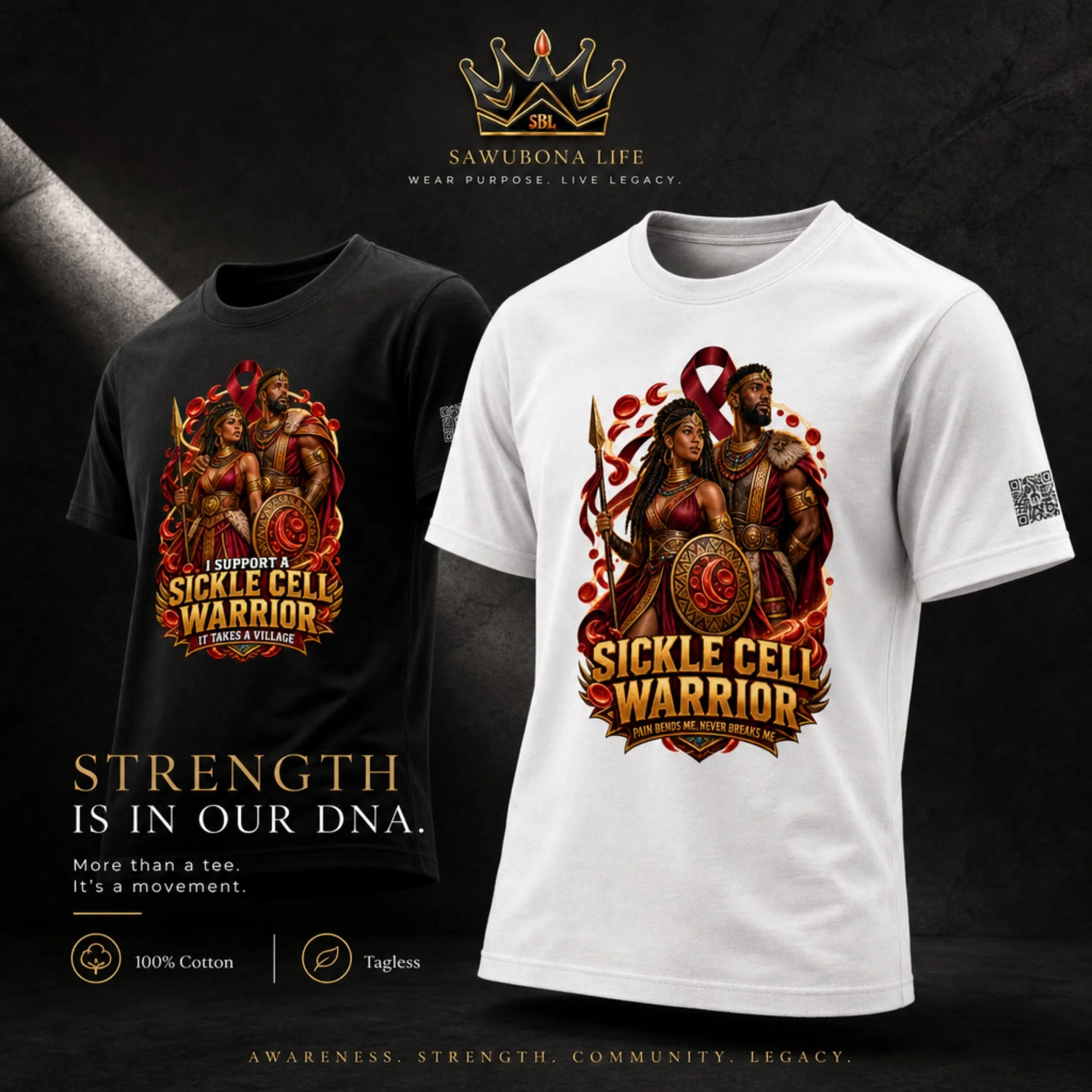
Sickle Cell Warrior and Supporter Unisex Graphic Tees - Affirmation Apparel by Sawubona Life
Why Sensory-Friendly Clothing Matters for Chronic Pain
Sawubona. This guide from Sawubona Life explores sensory-friendly clothing for chronic pain and how thoughtful construction reduces the daily friction between your skin and your wardrobe.
The stakes are higher than most people realize. According to the Cleveland Clinic’s overview of central sensitization, chronic pain can amplify how the nervous system processes everyday sensations, including the feeling of fabric against skin.
Below, we break down what actually separates genuinely comfortable clothing from ordinary basics with a marketing label, and we show you how to build a wardrobe that works on good days and flare days alike.
Key Takeaway: Sensory friendly clothing for chronic pain is not a luxury category. It is a functional one, and the difference lives in the seams, the labels, and the fabric weight, not the price tag.
What Sensory Friendly Clothing Actually Means
Sensory-friendly clothing is apparel engineered to reduce tactile triggers, pressure, and irritation for people whose nervous systems process touch more intensely. It prioritizes softness, smooth construction, and fit flexibility over trends or structured tailoring.
The term gets used loosely, so it helps to separate real features from marketing language. A genuinely sensory-friendly garment typically delivers:
Fabrics with a smooth, low-irritation surface
Tagless necklines or printed labels
Flat seams or seamless construction
Stretch that moves without binding
A fit that avoids concentrated pressure
Sensory Processing and Tactile Sensitivity Basics
Tactile sensitivity is a heightened response to touch, where textures, seams, or tags that most people ignore become distracting or uncomfortable. It is common among neurodivergent adults and frequently overlaps with chronic pain conditions.
The practical consequence is simple: a garment that feels fine for an hour can become unbearable by afternoon. That is why construction details matter more than overall appearance.
How Chronic Pain and Sensory Overload Overlap
Chronic pain and sensory overload feed each other. When pain is already elevated, the nervous system has less capacity to filter out background irritation from clothing, so a rough seam that would normally go unnoticed suddenly dominates your attention.
Many people with conditions such as fibromyalgia describe this overlap directly. The Arthritis Foundation guidance on fibromyalgia notes that widespread pain often comes with heightened sensitivity to touch, which makes fabric choice a genuine symptom-management decision rather than a preference.
Clothing for Sensitive Skin: Fabrics That Reduce Irritation
Most fabric guides stop at "soft is good." For chronic pain, the useful question is different: which fabric properties reduce the specific triggers your condition produces? Allodynia (pain from normally non-painful touch), fibromyalgia, arthritis, and neuropathic pain each interact with fabric differently, so the right answer is rarely a single material.
The Four Fabric Properties That Actually Matter
Instead of memorizing brand names, evaluate any garment against these four properties:
Surface smoothness. A low-friction surface reduces the drag that aggravates allodynia. Brushed backings, waffle knits, and raised textures feel soft in the hand but create micro-friction against skin.
Weight. Lightweight knits (roughly 4-6 oz per square yard) reduce pressure on tender areas. Heavier fleece and French terry feel cozy but concentrate weight on shoulders, hips, and knees.
Stretch and recovery. Four-way stretch moves with the body and returns to shape, so the garment does not bind when you shift position. Two-way stretch only flexes in one direction and can pull across the body during movement.
Thermal behavior. Many pain conditions come with temperature dysregulation. Breathable knits that release heat prevent the sweat-then-chill cycle that worsens muscle pain.
Fabric-by-Fabric Trade-Offs for Pain Conditions
Organic cotton. Breathable, familiar, and widely tolerated. Best for everyday wear and layered basics.
Bamboo viscose and lyocell. Silky, cool, and highly moisture-wicking. Helpful for people whose pain flares with heat or night sweats.
Modal and micro-modal. Smooth, drapey, and resistant to pilling. A strong choice for layering and all-day wear.
Merino wool (fine-gauge). Temperature-regulating and naturally odor-resistant, which matters when showering is painful or exhausting. Watch out for: even fine merino triggers irritation for some people with allodynia; test a single sock or undershirt before committing.
Performance synthetics (polyester, nylon, spandex blends). Durable, stretchy, and quick-drying. Watch out for: cheaper versions trap heat and odor, and seam finishing is often rougher than natural-fiber equivalents.
Fabric Weight and Heat Retention by Condition
A common pattern is that people with fibromyalgia and ME/CFS do better in lighter weights because heavy fabric amplifies the sense of pressure on tender points. People with arthritis often prefer slightly heavier knits because the weight feels stabilizing around stiff joints. Neither preference is universal, and the same person may want different weights on a flare day versus a good day.
Care Habits That Preserve Comfort
Softness fades with the wrong wash routine. Heat and harsh detergent break down fibers, and fabric softener leaves a residue that increases irritation for some people.
Wash in cold water on a gentle cycle
Skip fabric softener and dryer sheets
Turn garments inside out to protect the surface
Air dry or use low heat
Avoid overloading the machine, which abrades fibers
Pro Tip: If a new garment feels slightly stiff, one cold wash usually relaxes it. If it still feels rough after that, it will not improve with time, so return it while you still can.
Tagless Clothing for Sensory Issues: Why Labels Matter
Tagless clothing removes the sewn-in neck label that so often triggers irritation at the back of the neck. Instead, sizing and care information are printed directly onto the fabric or omitted entirely.
For anyone with tactile sensitivity, the neck tag is frequently the single worst offender.
Tagless clothing for sensory issues solves a specific, concrete problem rather than a vague one. When a brand prints the label instead of sewing it, the garment stops announcing itself.
What most guides miss is that not all tagless construction is equal.
Sawubona Life builds its apparel around this principle, using ultra-soft, tagless construction so the garment stays quiet against your skin from morning to night.
Seams, Friction, and Pressure: Construction That Protects Skin
Seams cause more clothing discomfort than fabric does. A bulky seam creates a raised ridge that rubs with movement, and on sensitive or painful skin, that friction builds into real irritation over a full day.
Flat Seams and Seamless Designs Explained
Flat seams are stitched so the join lies nearly level with the fabric surface, eliminating the raised ridge that presses into skin. Seamless designs go further by knitting the garment in one piece, removing side seams altogether.
Where seams must exist, look for:
Flatlock stitching rather than standard overlock
Seams positioned away from bony areas and pressure points
Soft thread and smooth finishing
No exposed seam edges inside the garment
Seamless construction is most valuable in undershirts, underwear, and loungewear, where the garment sits closest to your skin for the longest stretch of the day.
Adaptive Clothing for Adults: Dressing With Less Pain
Adaptive clothing for adults is apparel modified so it can be put on and taken off with less effort, less bending, and less fine motor control. It exists for people with limited mobility, joint pain, or fatigue, and it is not just for children or wheelchair users.
Common adaptive features include:
Magnetic closures instead of small buttons
Pull-on waistbands without zippers
Wider neck openings that clear the head easily
Side or front openings for easier access
Longer zipper pulls and larger fasteners
The goal is independence. When a garment is easier to put on, you are not waiting for help or exhausting yourself before the day has started.
What most reviews overlook is that adaptive design and sensory design are not the same thing, and the best garments combine both. A shirt with magnetic closures is useless if the fabric still scratches.
Comfortable Clothes for Pain Flares: A Practical Dressing Plan
On a flare day, the goal changes. You are not dressing to impress anyone. You are dressing to reduce the number of things your nervous system has to manage. That means the plan has to flex with your pain level, not assume comfort is constant.

Two Women Talking in Soft, Loose-fitting Loungewear Sitting Comfortably On a Couch in a Bright Living Room
Match the Outfit to the Flare Level
Pain flares are not one thing. A useful way to plan is to sort your wardrobe into three tiers and pull from the tier that matches the day.
Tier 1, High-sensitivity day. Skin hurts to touch, fatigue is heavy, and even a light waistband feels like a bruise.
Tier 2, Moderate day. You can move, but everything is tender. Reach for: a soft long-sleeve tee or a Henley tee with a wide neckline, joggers or wide-leg pants, and a cardigan that opens fully rather than pulling over the head.
Tier 3, Lower-pain day. You have some capacity. This is the day to test a new garment for an hour or two at home, not to debut it at an appointment or a social event.
Build a Flare-Day Drawer in Advance
Set up a flare-day drawer so you are not making decisions while you feel awful. Fill it with your proven, no-fail pieces:
One loose, tagless top in your softest fabric
One pair of pull-on pants with a soft, flat waistband
One seamless undershirt
One light layer for temperature swings
One pair of soft socks without tight cuffs
One backup set, laundered and ready
Keep a second set laundered and ready at all times. The point of a flare-day plan is that it requires zero thought when thinking is expensive.
Dressing When Mobility Is Limited
Pain flares often come with reduced range of motion, stiffness, or fatigue that makes bending and reaching hard. A few adaptations help:
Dress seated. Lay the garment across your lap, insert arms first, then pull over the head or step in.
Use a dressing stick or reacher for socks, shoes, and anything that requires bending.
Choose front-closure tops on days when raising your arms overhead is painful.
Sit on the edge of the bed to pull on pants rather than balancing on one leg.
Keep a stool or chair in the bathroom and bedroom so you never have to dress standing when you cannot.
Temperature and Fatigue Management
Flares often come with temperature swings and crushing fatigue. Layer thin, breathable pieces rather than one heavy garment so you can adjust without undressing. Keep a light cardigan or shawl within reach of the bed and couch. If showering is exhausting, prioritize garments that can be worn more than once between washes. Merino and antimicrobial knits help here.
Watch Out: Do not save your softest clothing for special occasions. If a garment only comes out on good days, you have your priorities backwards. Flare days are exactly when comfort matters most.
A Simple Test-and-Track Method
Because flare-day tolerance changes, treat new garments as experiments. Wear a new piece for one hour at home on a moderate day, note where it pressed or itched, and log it. Over a few weeks you will build a personal map of what works at each pain level, far more useful than any generic "sensory-friendly" label.
Fit and Pressure Guidance by Body Area
Pressure tolerance varies across the body, and a garment that fits well at the shoulders can still dig in at the waist.
Shoulders and neck. Look for wide, soft necklines and no structured collars. Raglan sleeves distribute weight more evenly than set-in sleeves.
Waist and midsection. A flat, wide, covered elastic waistband beats a narrow one every time. Avoid belts, rigid waistbands, and anything that cinches.
Underarms and chest. Seam placement matters here because the area moves constantly. Look for smooth underarm seams and avoid tight armholes.
Legs and hips. Loose legs reduce friction between thighs. Flat waistbands and no thick side seams make a noticeable difference during long sitting or lying periods.
Compression, Stretch, and Calming Pressure: What Helps and When
Compression can help or hurt, depending on the person and the condition. Some people find gentle, even pressure calming, while others find any compression increases pain. This is genuinely individual, and there is no universal answer.
Stretch is the safer bet for most people. Four-way stretch fabric moves with the body instead of resisting it, which reduces the tugging and binding that aggravate pain.
Compression shirts and undershirts provide firm, consistent pressure. For some people this feels grounding and reduces sensory overload; for others it intensifies discomfort. If you want to test compression, start with a light level and short wear times.
A useful way to think about it:
Calming features beyond compression include soft interior finishes, weighted hems, and smooth textures that give the hands something pleasant to touch.
How to Shop for Sensory Friendly Clothing for Chronic Pain
Shopping for sensory friendly clothing for chronic pain works best when you treat it like a specification problem, not a style problem. Know your non-negotiables before you browse, and check them against every garment.
Start with a short list of your personal deal-breakers. Common ones include neck tags, thick side seams, tight cuffs, and rough fabric finishes. Then verify each item against that list using product descriptions, fabric content, and customer reviews.
A practical checklist for evaluating any garment:
Fabric content and weight are stated clearly
Tagless or printed label confirmed
Seam type described or visible in photos
Waistband construction explained
Sizing chart with actual measurements
Return policy allows you to try before committing
Budget, Availability, and Return Policies
Sensory friendly clothing spans a wide price range, and higher cost does not automatically mean better comfort. What matters is whether the specific features you need are present. Pricing varies by brand and garment, so check each retailer's site for current details rather than assuming a category average.
Return policies deserve real attention here. Because comfort is subjective and fabric feel is hard to judge from a photo, a generous return window is worth more than a small discount. Read the fine print on worn items, since some policies exclude garments that have been washed.
Availability is another practical constraint. Sizes and colors sell out, and if you find a garment that works, buying a second one is often smarter than continuing to search.
Best For: Anyone who has been burned by "sensory-friendly" labels that turned out to be ordinary clothing with better marketing.
Common Mistakes When Buying Sensory-Friendly Clothing
The biggest mistake is trusting the label instead of the construction. Plenty of brands use sensory-friendly language while shipping garments with sewn tags, bulky seams, and stiff fabric. Read the specifications, not the slogan.
Other frequent errors:
Buying one size too small. A tight fit concentrates pressure and creates new irritation points. When in doubt, size up.
Ignoring the wash label. A garment that needs hot water and heavy detergent will not stay soft for long.
Overlooking side seams. Removing the neck tag does nothing if a stiff care label sits against your ribs.
Buying a full wardrobe at once. Test one or two pieces first, confirm the fabric works for your skin, then expand.
Assuming all cotton is soft. Fiber type matters less than finish and weight. Some cotton is rougher than a good modal blend.
Skipping the return window. Try new garments promptly and return anything that fails the first full-day test.
A common mistake is judging a garment by how it feels in the dressing room for thirty seconds. Sensory problems show up after hours of wear, so give new pieces a real trial at home before relying on them.
Frequently Asked Questions
What clothing is best for people with chronic pain?
Soft, breathable fabrics in loose or gently fitted cuts tend to work best. Look for tagless clothing, flat seams, and waistbands that do not dig in. Sensory-friendly clothing for chronic pain often uses organic cotton, bamboo, or modal because these fabrics feel smooth against the skin and manage moisture. Layering helps you adjust to temperature shifts without pulling tight garments over sore areas.
What fabrics are most comfortable for sensitive skin?
Organic cotton, bamboo, and modal are common picks because they feel soft and breathe well. Clothing for sensitive skin should avoid rough textures, stiff weaves, and scratchy trims. Fabric weight matters too: a lighter knit reduces friction, while a heavier one may feel calming for some people. Wash new pieces before wearing to soften them and remove finishing residue.
Can tight clothing make chronic pain worse?
Yes. Tight waistbands, cuffs, and straps can create pressure points that increase discomfort, especially during a flare. Compression can help some people with swelling or circulation, but it should feel supportive, not restrictive. If a garment leaves deep marks or you feel throbbing after wearing it, size up or switch to a looser cut. Tagless clothing for sensory issues often pairs well with low-pressure fits.
How can I make my clothes more comfortable when seams bother me?
Start by choosing flat seams or seamless designs, then check the inside of the garment before buying. You can also wear a soft base layer, like a tagless undershirt, to create a barrier between seams and skin. Some people turn socks and underwear inside out. If a seam still irritates, consider adaptive clothing for adults with smooth interior finishes.
What should adults look for in sensory-friendly clothing?
Prioritize soft fabric, tagless construction, flat seams, and a comfortable fit that does not bind. Check for stretch and ease of movement, especially around shoulders and hips. Adaptive clothing for adults may include magnetic closures or pull-on styles. Read the material specs and return policy before buying, since sensory preferences are personal and what feels good varies.
Are tagless clothes better for sensory sensitivities?
For many people, yes. A tagless design removes the scratchy label that can trigger irritation at the neck or waist. Tagless clothing for sensory issues is not automatically better if the fabric or seams still bother you, so check the entire garment. Some brands print care instructions directly on the fabric, which keeps the information without the itch.
How do I choose comfortable clothes during a pain flare?
Keep a small set of go-to pieces ready: loose loungewear, a soft undershirt, and easy slip-on shoes. Comfortable clothes for pain flares should be simple to put on without bending or reaching. Choose breathable fabric to help with temperature swings. Layering lets you adjust without changing everything. If dressing is exhausting, adaptive features like magnetic closures can reduce effort.
Can adaptive clothing help with chronic pain?
It can. Adaptive clothing for adults often uses closures, openings, and cuts that reduce the need to bend, twist, or lift arms overhead. That matters when joints are stiff or muscles are sore. Look for pieces that combine adaptive design with soft, tagless fabric. The goal is to lower the effort and discomfort of dressing while keeping your style intact.
The Bottom Line: Building the Proper Wardrobe
Building a wardrobe that works with chronic pain rather than against it takes some trial and error, and the search for garments that are genuinely soft, tagless, and thoughtfully constructed can feel endless. At Sawubona Life, we designed our apparel around exactly that problem, with premium ultra-soft tagless construction, adaptive comfort that honors sensory needs, and subtle sleeve QR codes that serve as quiet reminders of your own worth. As a Black, women-owned brand rooted in the Zulu philosophy of mutual recognition, we believe comfort and dignity belong together. Shop now and find pieces that support your body and your peace.
ADAPTIVE APPAREL MATTERS.
YOU AND YOUR COMFORT MATTER.
TAGLESS, SOFT CLOTHING IS OPTIMAL.