
Sawubona Life Models - Affirmation Apparel by Sawubona Life
What Makes Clothing Sensory-Friendly?
Sawubona. It means "I see you," and it is the right place to start. Because the question of whether sensory-friendly clothes are worth it begins with being seen, not sold to.
Here is the short answer: sensory-friendly clothes are worth it if you deal with tactile defensiveness, seam irritation, or daily dysregulation from what you wear. The right garments remove a trigger you face every single day.
Sensory-friendly clothing is apparel designed to reduce tactile irritation through tagless necks, flat seams, and soft, breathable fabrics that avoid the scratch, pressure, and texture problems standard clothing causes.
At Sawubona Life, we build around that idea. Soft, tagless pieces that act as an everyday anchor, not a costume you tolerate until you get home.
The CDC overview of autism spectrum disorder notes that sensory processing differences are common among autistic people. For many, clothing is one of the loudest inputs all day.
Key Features: Seamless Construction, Tagless Design, and Soft-Touch Fabrics
Three features do most of the work:
Tagless necklines remove the label that rubs the back of the neck.
Seamless or flat-lock construction stops raised ridges from pressing on your skin.
Soft-touch, breathable fabrics reduce texture sensitivity and heat build-up.
A common mistake is buying "soft" fabric with a rough tag still sewn in. That one label can undo everything else.
The Real Benefits: Emotional Regulation, Comfort, and Daily Functioning
The biggest benefit is not luxury. It is fewer meltdowns, less distraction, and steadier emotional regulation.
When clothing stops competing for your attention, you have more energy for everything else. That is the real return. A shirt that does not scratch means one less thing pulling you toward dysregulation.
For sensory-avoiding people, that shift is huge. For sensory-seeking people, the right weight and texture can actually help with proprioceptive input and calm.
Pros and Cons of Investing in Sensory-Friendly Clothing
Pros:
Reduces daily irritation and dysregulation
Supports focus at work and school
Builds a reliable, comfort-focused wardrobe
Cons:
Costs more than basic fast-fashion basics
Fewer style options in some categories
Requires careful label-reading before you buy
Key Takeaway: The value is not in the fabric alone. It is in how many times a day you stop noticing your clothes. That is the number that matters.
Sensory-Friendly Clothing for Adults: What to Look For
Adults get overlooked here, and that is a mistake. Sensory needs do not disappear at 18.
Look for tagless necks, non-restrictive fits, and flat seams. Check the exact fiber content and weight before buying. If a brand cannot tell you the fabric specs, that is your answer.
Sizing matters as much as fabric.
Best Fabrics for Sensory Processing Disorder and Tactile Defensiveness
The best fabrics for sensory processing disorder are soft, breathable natural fibers and gentle blends that avoid coarse texture and heavy synthetic feel. But "soft" is not a fiber, it is a combination of fiber, weave, weight, and finish. That is where most guides stop, and where the real decisions live.
Fiber sets the baseline feel. Cotton, bamboo, modal, and Tencel (lyocell) start smooth. Wool, linen, and coarse polyester start rough.
Weave decides surface texture. Jersey knit is smooth and stretchy. Fleece is napped and can feel fuzzy or cloying. Twill and denim have raised diagonal ridges that press on skin.
Weight decides pressure. A lightweight jersey (roughly 4-5 oz per square yard) drapes and moves. A heavy cotton (8 oz and up) sits on the body and can feel like a constant touch.
Finish decides long-term feel. Garment-dyed and enzyme-washed fabrics are pre-softened. Raw or resin-finished fabrics stay stiff and often soften only after many washes.
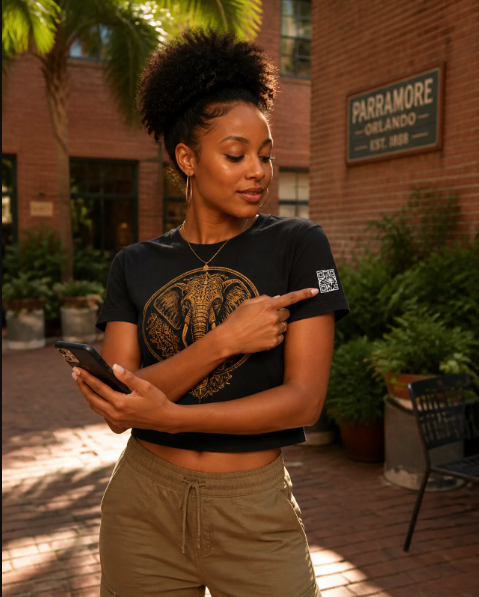
Design Concept of Powerful Elephant Graphic Tee - Affirmation Apparel by Sawubona Life
Fiber-by-Fiber Trade-Offs
What to Avoid
Scratchy wool, especially coarse-gauge sweaters.
Stiff denim and heavy canvas.
Raised seams, embroidered logos, and screen-printed patches on the inside.
Rough elastic waistbands and exposed binding at the neck.
Watch Out: A common mistake is assuming "100% cotton" always means comfortable. Weave and weight matter. A heavy, stiff cotton can irritate more than a soft blend.
How to Test Before You Commit
You cannot feel fabric through a product photo. Three practical moves:
Check the spec sheet. Brands that publish fiber content, weight (oz/yd² or GSM), and weave are telling you what you need to know. If they will not, that is your answer.
Buy one, wash it, wear it for a full day. Sensory reactions often show up at hour six, not minute one.
Confirm the return window. A generous return policy is the cheapest fabric test you will ever run.
DIY Sensory Modifications: Extending the Life of Your Wardrobe
You do not have to replace everything at once. Small clothing modifications can rescue pieces you already own.
Cut out scratchy tags with small, sharp scissors.
Wear soft base layers under rougher shirts.
Turn socks inside out to hide the toe seam.
Add soft seam tape over irritating stitches.
Washing and Maintenance: Preserving Sensory Comfort Over Time
How you wash changes how fabric feels. This is the part most guides miss, and it is the difference between a shirt that stays comfortable for two years and one that turns scratchy in two months.
Why Fabric Degrades
Three forces wear down the feel of a garment:
Mechanical abrasion. Tumbling against other clothes in a hot dryer breaks and lifts surface fibers, creating the fuzzy, rough texture known as pilling.
Chemical residue. Fabric softener and scented detergents leave a waxy or perfumed film on fibers. For someone with tactile or olfactory sensitivity, that film is a new irritant layered on top of the original fabric.
Heat and shrinkage. High heat distorts knit structure, tightens weave, and can make a soft jersey feel denser and stiffer.
A Maintenance Routine That Protects Sensory Feel
Wash before first wear. New garments often carry sizing and finishing agents that feel stiff. One wash removes most of it.
Turn garments inside out. This puts abrasion on the inside of the fabric, not the surface that touches your skin.
Use fragrance-free, dye-free detergent. Standard detergents are a common hidden trigger for people who react to scent as well as texture.
Skip fabric softener and dryer sheets. They coat fibers rather than soften them, and the coating builds up over time.
Wash cold, dry low or air dry. Heat is the single biggest driver of shrinkage and stiffness.
Separate rough items. Zippers, hooks, and denim abrade softer knits in the same load.
The Long-Term Math
A sensory-friendly shirt that costs more upfront but holds its feel through 100+ washes is cheaper per comfortable wear than a fast-fashion basic that turns rough after ten. That is the real ROI question behind "are sensory friendly clothes worth it", not the sticker price, but the cost per day of actually wearing the thing.
Key Takeaway: Treat maintenance as part of the purchase decision. A garment you have to baby is not a sensory-friendly garment; it is a project.
CLOTHING MAINTENANCE IS IMPORTANT.
SELF-CARE IS NECESSARY.
YOU DESERVE THE BEST.
When to Retire a Garment
Even well-cared-for fabric eventually loses its hand-feel. Signs it is time to let go:
Visible pilling on the surface that touches your skin.
Elastic that has stretched and no longer holds without pressure.
Seams that have stiffened or developed hard edges after repeated washing.
A persistent smell that survives a wash cycle.
Frequently Asked Questions
What is the best clothing for people with sensory issues?
The best clothing for sensory issues prioritizes comfort and minimizes irritation. Look for tagless designs, flat or seamless construction, and soft, breathable fabrics like cotton or bamboo. Avoid rough seams, tight elastic, and scratchy labels. For adults, brands that offer detailed fabric specs and fit guidance are ideal. Sawubona Life, for example, offers ultra-soft, tagless tees that many customers with sensitive skin find comfortable for daily wear.
How does sensory-friendly clothing differ from standard apparel?
Sensory-friendly clothing is designed to reduce tactile triggers. Unlike standard apparel, it often features tagless necklines, flatlock seams, and non-restrictive fits. Fabrics are chosen for softness and breathability, and details like printed labels or smooth waistbands replace irritating elements. This intentional design helps prevent dysregulation and supports emotional regulation for neurodivergent individuals and those with tactile defensiveness.
Can sensory-friendly clothing help with chronic pain or tactile sensitivity?
Yes. For people with chronic pain or tactile sensitivity, soft, non-restrictive clothing can reduce skin irritation and pressure points. Seamless construction and natural fibers minimize friction, while tagless designs prevent neck scratching. Many adults find that investing in a few high-quality sensory-friendly pieces improves daily comfort and reduces the mental load of getting dressed.
Is sensory-friendly clothing only for neurodivergent individuals?
No. While sensory-friendly clothing is often designed with neurodivergent people in mind, anyone can benefit. People with chronic illnesses, sensitive skin, or those recovering from surgery may find tagless, seamless garments more comfortable. The principles of soft-touch fabrics and ergonomic design apply broadly, making these clothes a practical choice for anyone seeking everyday comfort.
Is the Investment Worth It for You?
The honest answer: yes, if clothing is a daily trigger for you. The cost is real, but so is the payoff in comfort, focus, and emotional regulation.
Clothing should not be a battle you fight every morning. Sawubona Life makes ultra-soft, tagless apparel that supports sensory comfort and mental wellness, from a Black, women-owned brand rooted in dignity and self-worth. Get started with Sawubona Life and build a wardrobe that finally feels like it sees you.
ELEVATE YOUR WARDROBE.
YOU ARE WORTH THE INVESTMENT.
HONOR YOUR MIND AND BODY.