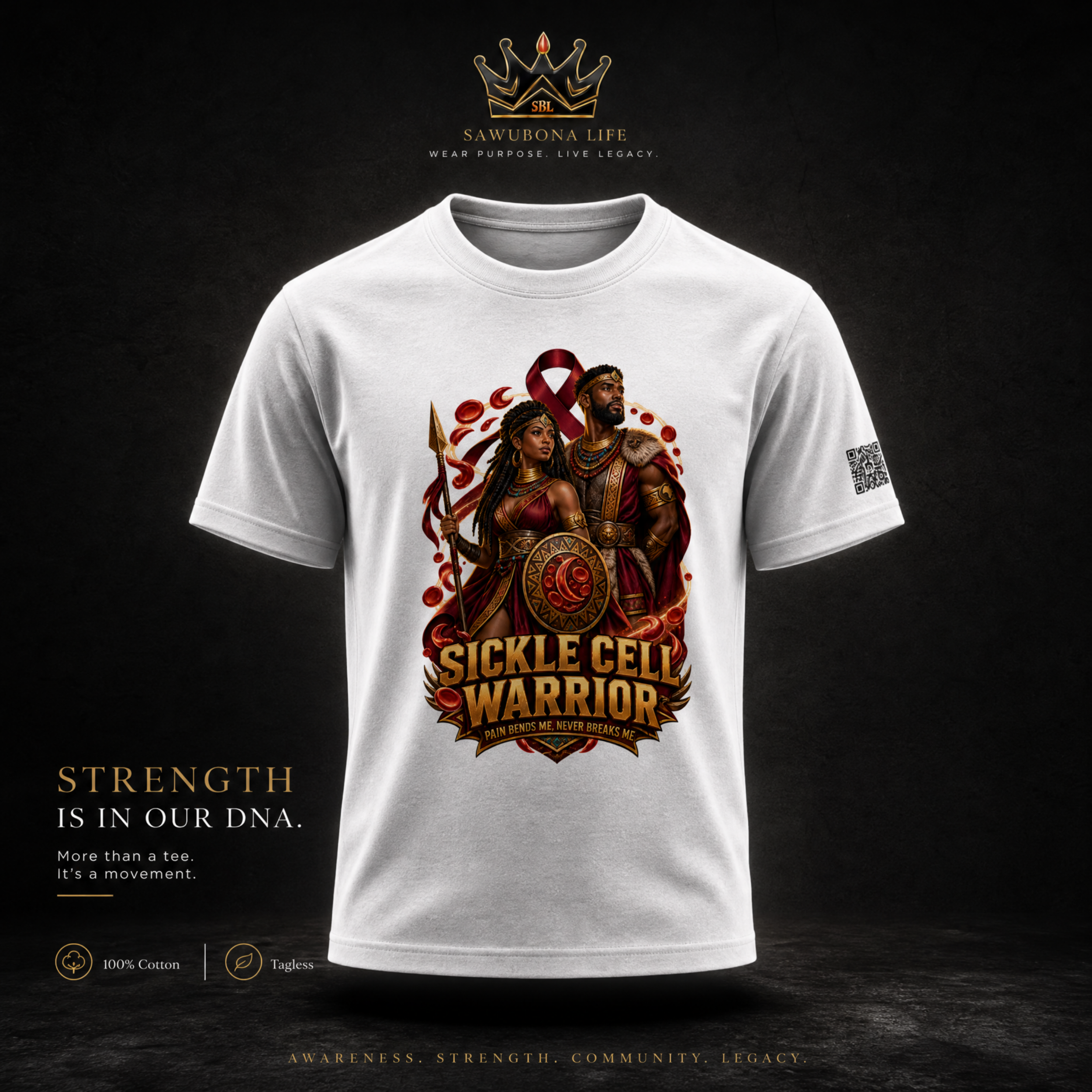
Sickle Cell Warrior Unisex Graphic Tee - Affirmation Apparel by Sawubona Life
Why Soft Clothing Matters for Chronic Pain
Sawubona. It means "I see you," and it is the right place to start, because chronic pain is one of the most invisible experiences a person can carry. If you live with fibromyalgia, complex regional pain syndrome, or another long-term pain condition, you already know that a rough seam or a stiff waistband can undo an entire day. Finding the best soft clothing for chronic pain is not a vanity purchase. It is practical self-care.
At Sawubona Life, we design ultra-soft, tagless apparel for people whose nervous systems need a break, so we think about fabric weight and seam placement more than most brands do. Here is the core idea: soft clothing is apparel engineered to reduce friction, pressure, and sensory input against the skin, so getting dressed stops being a pain trigger. Below, we break down which fabrics help, which features matter, and how to shop without wasting money.
Key Takeaway: The right garment removes a daily source of pain. The wrong one adds to it before you have left the bedroom.
Clothing for Fibromyalgia: Fabrics That Reduce Flare-Up Triggers
Fibromyalgia amplifies how the brain reads touch, which is why clothing for fibromyalgia has to solve a different problem than ordinary comfort wear. The goal is fewer signals, not more. Look for buttery-soft fabrics with a smooth hand-feel, minimal texture, and enough stretch to move with you rather than against you.
A common mistake is buying "soft" clothing that is soft only on the outside. Turn the garment inside out in the store. If you see thick overlocked seams or a scratchy label, that is what your skin will actually feel all day.
Soft cotton and cotton blends: breathable, predictable, easy to wash
Viscose and modal: drapey and cool against the skin
Brushed fleece: good for cold flare days, but check the interior texture
Avoid: stiff denim, heavy zippers, and anything with a raised print on the inside
Soft Clothes for Sensitive Skin: Avoiding Irritation and Itching
Soft clothes for sensitive skin should reduce skin irritation, itching, and rubbing rather than simply feel nice for the first ten minutes. Two design details do most of the work: flat seams and tag-free designs. Flat seams sit level with the fabric instead of forming a ridge, and tag-free necklines remove the single most common source of scratching at the back of the neck.
Watch for dyes and finishes too. If a shirt smells strongly of chemicals out of the bag, wash it before wearing it. People with allodynia, where light touch itself hurts, tend to do best with smooth, seamless underwear and loose-fitting clothing that never presses in one spot for hours.
The Best Soft Fabrics for Chronic Pain, Compared
No single fabric wins for everyone, because the best soft fabric for chronic pain depends on your triggers, your climate, and how much you move. What most guides skip is the trade-off: every soft fabric is a bundle of compromises on breathability, stretch, warmth, weight, and how it survives the wash. The table below compares the main options on those dimensions, and the sections after it explain how each fabric behaves against specific pain triggers.
Cotton: The Predictable Baseline
Cotton is the safest starting point for most people with chronic pain. It breathes, it washes well, and most people already know how it feels against the skin. The trade-off is stretch: 100% cotton has little give, so a cotton tee that fits snugly at the shoulder can pull with every reach. A cotton-elastane blend (often 95% cotton, 5% elastane) keeps the breathability while adding enough stretch to move with you. Care is forgiving: machine wash warm, tumble low, and avoid fabric softener, which can coat the fibers and reduce breathability over time.
Viscose and Modal: Cool and Drapey, With a Care Cost
Viscose and modal feel cooler and drape more than cotton, which helps with non-restrictive clothing that should not cling. Modal is a type of viscose known for a softer hand-feel and better durability after washing. The trade-off is care: viscose loses strength when wet, so it needs a gentle cycle and hang drying to avoid stretching out of shape. For people with temperature sensitivity, a cotton-modal blend is often the sweet spot, cool against the skin, but easier to launder than pure viscose.
Brushed Fleece: Warmth That Traps Heat
Brushed fleece is the warmest option on this list, and that is exactly its limitation. The brushed interior traps heat, which suits pajamas and sleepwear on cold flare days but can worsen temperature sensitivity during active hours. Check the interior texture before buying: a long, loose pile can pill and mat, while a short, dense fleece holds its softness longer. Wash cold and dry low to prevent shrinkage and static.
Buttery-Soft Blends: The Most Comfort, the Least Forgiveness
Buttery-soft blends, often a mix of modal, polyester, and elastane, feel the most luxurious against the skin and offer the most stretch, which makes them popular for sleepwear and all-day comfort. The trade-off is durability and care: these fabrics often need cold washing and hang drying to keep their finish, and some pill faster than cotton. Read the care label before you commit, because a garment that loses its softness after three washes is not a bargain at any price.
Matching Fabric to Your Pain Trigger
Allodynia (light touch hurts): smooth, seamless cotton or cotton-modal with flat seams; avoid brushed interiors and raised prints.
Temperature sensitivity: breathable cotton or viscose for warm days; short-pile fleece only for cold rest days.
Joint stiffness and limited reach: stretchy buttery-soft blends or cotton-elastane, so the fabric follows movement instead of resisting it.
Swelling: loose viscose or cotton with soft, non-elastic waistbands; avoid snug compression at the waist unless a clinician recommends it.
Pro Tip: Wash new soft clothing inside out in cold water before the first wear. It removes residual finishes and softens seams, and it protects the surface on every wash after that. Skip fabric softener and dryer sheets, they can reduce breathability and leave a residue that feels slick or itchy to sensitive skin.
Adaptive Clothing for Chronic Pain: Easy Dressing on Flare Days
Adaptive clothing for chronic pain answers a question most brands ignore: what happens when bending, reaching, or gripping a button is genuinely too much? On flare days, hand pain and stiffness turn a simple shirt into an obstacle course. Adaptive features remove those barriers without making the garment look clinical.
Magnetic closures, easy-access pants, and flexible designs let you dress with one hand or while seated. Long-sleeve tops and sweatshirts with roomy armholes slide on without a fight. This matters beyond the bedroom: easy dressing helps during hospital stays, travel clothing situations, and any morning when your energy is already spent.
Magnetic closures instead of small buttons
Pull-on waistbands with no hardware
Wide necklines and armholes
Easy-access pants for seated dressing
Tagless Clothing for Adults: Why Seams and Tags Matter
Tagless clothing for adults is apparel with printed labels and flat seams instead of sewn-in tags and raised stitching. The difference sounds small until you have spent a day with a tag sawing at your neck. For people with sensory sensitivity, that small, constant input is exhausting in a way that is hard to explain to anyone who has not felt it.
Check three places before you buy: the back neckline, the side seams, and the waistband. Those are where rubbing and pressure concentrate. Seamless underwear and flat seams in these zones do more for daily comfort than any marketing claim on the front of the package.
Fit and Pressure Guidance by Pain Sensitivity
Fit is where soft fabric meets real life, and it is the part most guides skip. A garment that is too tight creates pressure points; one that is too loose bunches and rubs. The right fit skims the body and leaves a little room to move.
Match the fit to your pain sensitivity:
High sensitivity: choose loose-fitting, non-restrictive clothing with dropped shoulders and soft waistbands
Moderate sensitivity: a relaxed fit with stretchy fabric works well for most days
Low sensitivity with joint pain: prioritize stretch over looseness so the fabric follows your movement
Watch Out: Buying a size down "so it holds its shape" is the most common mistake we see. Snug elastic and compression at the waist can worsen swelling and joint pain, and it defeats the point of soft clothing.
Compression and Weighted Garments: Evidence and Limits
Compression clothing and weighted garments deserve an honest look, because they help some people and hurt others. Gentle, calming pressure can feel regulating for some people with sensory sensitivity, and compression socks are commonly used for swelling. But compression is not the same as comfort, and it is not right for every pain condition.
The limits matter. Compression that is too tight can increase pain, and weighted garments are not appropriate for everyone, particularly people with certain circulation or breathing concerns. Talk with your clinician before adding either to your routine, and treat them as tools for specific situations rather than all-day defaults.
Budget, Sizing, and Return-Policy Checklist
Smart shopping protects both your money and your skin. Most guides tell you to "check the return policy" and stop there. The gap is the method: how to size without guessing, how to read a return policy before you need it, and how to judge durability so a soft garment stays soft after ten washes. Use the checklist and the try-on method below.
Sizing Without Guessing
Measure your bust or chest, waist, and hips with a soft tape, and compare to the brand's size chart, not to the size you wear in other brands.
Look for size charts that list garment measurements (flat measurements) in addition to body measurements; flat measurements tell you how much room the garment actually has.
For soft clothing, size for the larger of your measurements if you are between sizes, especially at the waist and shoulders.
Check whether the fabric has stretch and recovery (elastane content); a 95% cotton / 5% elastane blend will fit more forgivingly than 100% cotton.
Read reviews that mention fit for your body type and pain triggers, not just overall star ratings.
Reading a Return Policy Before You Buy
Confirm the return window in days and whether it starts at purchase or delivery.
Check whether worn or washed items can be returned; many brands require tags attached and unworn condition, which makes try-on-only returns the safe path.
Look for free return shipping or a prepaid label; a generous policy is worth more than a low price when you are buying for sensitive skin.
Note whether the brand offers exchanges for a different size and how long that takes.
Save the packaging and tags until you are sure, and photograph the care label in case you need to reference fabric content later.
Judging Durability Before You Commit
Check the fabric weight if listed; heavier knits generally hold shape and softness longer than very light ones.
Look at seam construction in product photos: flatlock or coverstitch seams lie flatter and resist rubbing better than bulky overlock seams.
Read care instructions and ask whether the softness depends on a finish that washes out; brushed fabrics and some buttery blends can pill or mat over time.
Start with one or two pieces before committing to a full wardrobe, and rotate them so you can see how they hold up before buying more.
A Practical Try-On Method
Put the garment on inside out first and run your hand along the back neckline, side seams, and waistband. Those are where rubbing concentrates.
Sit, reach overhead, and bend forward; note any pulling at the shoulder, bunching at the waist, or pressure that does not ease when you move.
Wear it for 20-30 minutes at home with the tags on before deciding; sensory triggers often show up after the first few minutes, not immediately.
Check the care label and wash one piece before buying more, so you know how the fabric behaves after laundering.
Frequently Asked Questions
What fabrics are softest for people with chronic pain?
Soft cotton, viscose, buttery-soft blends, and fleece are common choices. Look for breathable, stretchy fabrics with flat seams and no tags. Cotton t-shirts and loose-fitting bottoms reduce rubbing and pressure on tender skin. Avoid rough wool or stiff synthetics that can trigger allodynia or itching, especially during flare days.
Are tagless clothes better for chronic pain and sensory sensitivity?
Yes. Tagless clothing for adults removes the scratchy label that can irritate sensitive skin and cause itching or rubbing. Flat seams and seamless underwear further reduce pressure points. For people with fibromyalgia or complex regional pain syndrome, tag-free designs can make everyday dressing more comfortable and less likely to trigger sensory overload.
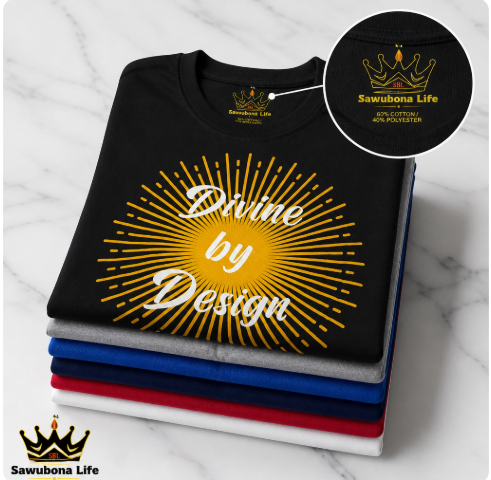
Folded Stack of Divine by Design Tagless Graphic Tees - Affirmation Apparel by Sawubona Life
How do I choose adaptive clothing that is easy to put on?
Look for magnetic closures, easy-access pants, and flexible designs that require less bending or fine motor control. Adaptive clothing for chronic pain should have loose-fitting cuts, stretchy waistbands, and simple fasteners. Try items that allow dressing while seated if hand pain or stiffness is an issue, and check return policies before buying.
Can compression or weighted garments help with chronic pain?
Compression clothing may help with swelling and joint pain for some people, while weighted garments can provide calming pressure. However, evidence is mixed, and tolerance varies. Start with low compression or lightweight, monitor how your body responds, and avoid tight waistbands or restrictive fits that increase pressure. Consult a healthcare provider if you have circulation concerns.
The Bottom Line
Getting dressed should not cost you a day of energy, yet for people with chronic pain, it often does. The fix is not one magic fabric. It is a combination of soft materials, flat seams, tag-free designs, and a fit that respects your body on its hardest days. Sawubona Life builds ultra-soft, tagless apparel with subtle sleeve QR codes for quiet advocacy, designed as an everyday anchor for your mental health journey. We see you, and we dress for the days when the world does not. Shop now and find the pieces that make your mornings easier.
EASING YOUR PAIN SHOULD BE A PRIORITY.
CLOTHING SHOULD NOT INCREASE CHRONIC PAIN.
WE UNDERSTAND YOU, AND WE ARE HERE FOR YOU.