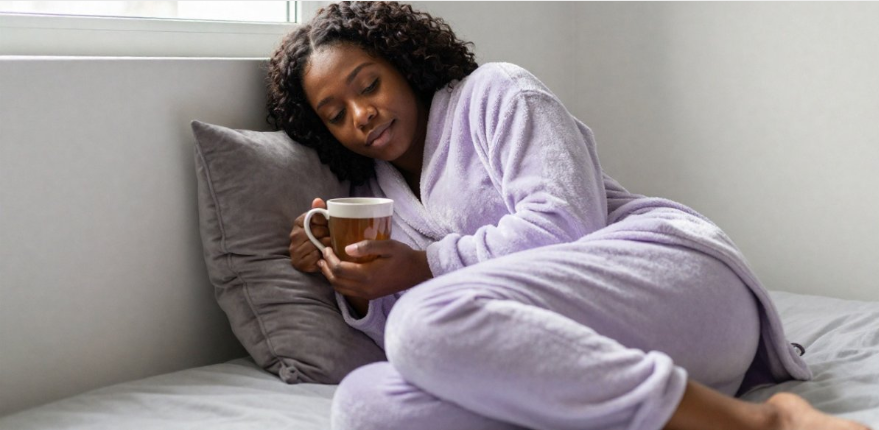
A Woman Relaxing in Comfy Clothing and Drinking a Cup of Tee
Quick Summary
Dressing for flare-up comfort starts with soft cotton and cotton blends that breathe, stretch, and don't trap heat against sore skin. Choose gentle elastic or drawstring waistbands, flat seams, tagless necklines, and a loose fit you can move in. Build every outfit with one piece you can loosen, one layer you can remove, and one backup garment within reach.
Check fit by sliding two fingers under the waistband; if you can't, size up.
For endometriosis, skip shapewear during a flare and give your belly room.
Adaptive clothing uses pull-on styles, wide neck openings, and tagless labels.
Keep a backup kit with soft pants, a loose top, and flat shoes at work or in the car.
Wash new clothes before wearing with fragrance-free, dye-free detergent and skip softener.
What should you wear on a flare-up day? Sawubona Life makes tagless, ultra-soft apparel built for sensory comfort and flare-up days.
Start With Fabric: What Feels Best Against Your Skin
Sawubona. In the spirit of that isiZulu greeting, we see our fellow veterans, we see you, and we see how hard it is to get dressed when your body is already working overtime. Learning how to dress for comfort during flare-ups starts with one decision you make before style, before fit, before anything else: the fabric. Soft cotton and cotton blends top the list for many people. They breathe, they stretch, and they don't trap heat against sore skin.
Here's what to look for:
Cotton and cotton blends for breathability and a soft hand feel
Soft knits that move with you instead of against you
Stretch fabric with real give at the waist and shoulders
Lightweight clothing that won't feel heavy on tender skin
Watch out: Stiff, scratchy fabrics and rough seams are the fastest way to turn a manageable day into a miserable one. If you want a deeper look at fabric weight and fit before you buy, see our guide on tagless cotton T-shirts.
Waistbands, Seams, and Fits That Reduce Pressure
Pressure is the enemy. An elastic waistband that sits gently at your natural waist beats a snug button and zip every time. Look for drawstring waists you can loosen as the day goes on. High-rise and mid-rise cuts can help, but only if they sit softly rather than dig in. Check seams too. Flat seams and tagless necklines reduce the rubbing that wears on sensitive skin.
A quick fit checklist:
Can you slide two fingers under the waistband? If not, size up.
Does the seam sit away from your most tender spots?
Can you bend, sit, and stretch without adjusting?
A loose fit you can move in often beats a perfect-looking one you can't.
What to Wear During an Endometriosis Flare-Up
For endometriosis, the goal is zero pressure on a painful or bloated abdomen. Empire-waist dresses, loose jumpsuits, and soft skirts skip the waistband entirely. When you do want pants, choose joggers or pajama bottoms with a gentle elastic waist you can roll down. Layering helps with temperature comfort, since flares often come with chills or heat.
Build the outfit around three rules:
Nothing tight across the belly
Breathable fabric next to the skin
Easy on, easy off for bathroom trips and rest
A common mistake is reaching for shapewear to "hold things in." Skip it during a flare. Your body needs room, not compression.
Adaptive Clothing for Chronic Pain: Easy On, Easy Off
Adaptive clothing is apparel designed for easy dressing, with features that reduce the effort and pain of getting dressed. That matters on high-fatigue days. Look for pull-on styles, wide neck openings, and stretch fabric that glides over your body. Seams placed away from sensitive areas and tagless labels cut down on irritation.
Pieces that earn their place:
Pull-on pants with a soft waistband
Loose tops with a wide neck
Dresses and jumpsuits that go on in one step
Soft knits that don't cling
If you want to explore sensory-friendly, tagless options, you can shop Sawubona Life.
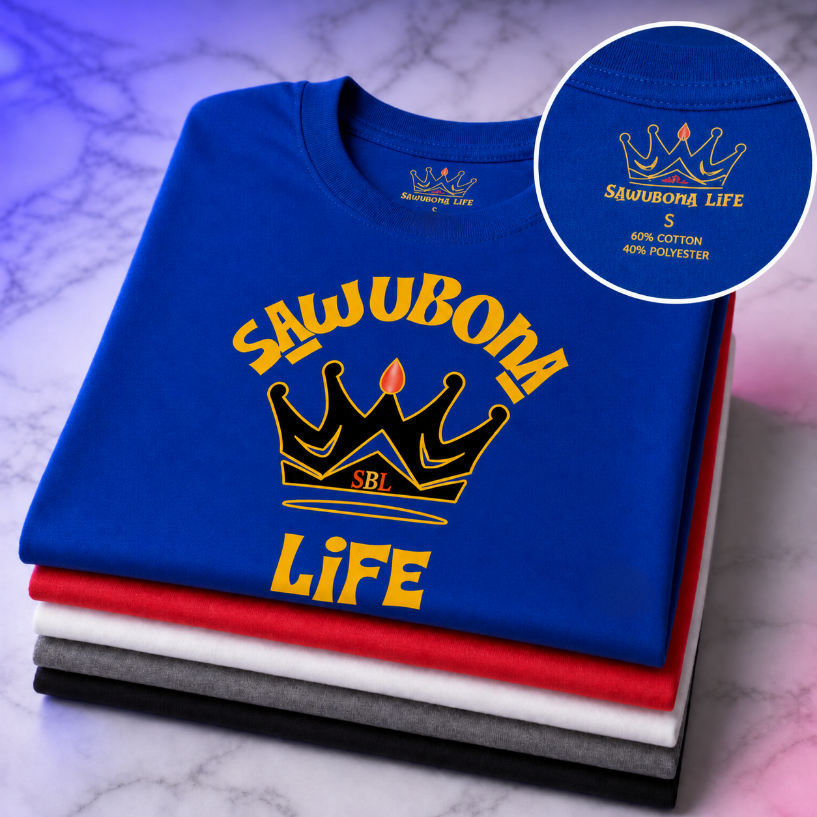
Folded Stack of Sawubona Life Crown Ladies’ Graphic Tees Featuring a Tagless Design
Comfortable Work Clothes for Chronic Illness
You still need to look presentable, even when you feel awful. The trick is picking work clothes that read polished but feel like pajamas. A soft knit top with tailored joggers passes in most casual offices. A long-sleeve tee under a loose blazer works when you need to look sharper. Stick to dark, forgiving fabrics that hide wrinkles and don't show every crease.
Try this formula:
Soft base layer in breathable cotton
Relaxed mid-layer you can remove if you overheat
Stretch pants with a covered elastic waist
For a soft, tagless long sleeve you can wear to work without irritation, the POWERFUL Elephant 2.0 long sleeve tee is built for exactly that.
Outfit Plans for Different Settings and Symptom Levels
Match the outfit to the day, not the other way around. The table below organizes flare-friendly outfits by symptom level and setting, with specific fabric and fit cues so you can build each look from pieces you already own or can find at most retailers. Treat the symptom levels as a rough guide: low means you can tolerate some structure, medium means pressure is noticeable but manageable, and high means nothing tight or scratchy should touch your body.
A few practical notes on each setting:
Office: Keep a spare soft top and a pair of foldable flats in a drawer. A blazer over a knit top reads polished in most workplaces, and you can remove the blazer if heat or bloating ramps up.
Travel: Wear your bulkiest comfortable layer on the plane and pack a backup pair of soft pants in your carry-on. Compression socks can help with swelling, but choose a pair with a wide, non-binding cuff.
Formal occasions: A wrap dress or an empire-waist maxi in a fluid fabric gives you room without looking casual. Avoid structured bodices, boning, and back zippers that require twisting.
Home: Keep a basket of your softest pieces within arm's reach of the couch or bed so you are not digging through drawers on a high-symptom day.
Watch out: A low-symptom morning can turn into a high-symptom afternoon, so build every outfit with at least one removable layer and one adjustable waist. For low-symptom days or layering when symptoms shift, the tagless CELEBRATED 2.0 graphic hoodie is a cozy option.
When Symptoms Change Midday: Dressing for the Shift
Symptoms rarely hold still. A morning that starts fine can turn by noon, and the outfit that worked at 9 a.m. may feel unbearable by 2 p.m. The fix is not a full wardrobe change but a small set of adjustable pieces and a backup plan you set up before the day starts.
Build in three adjustment points. Every outfit should have at least one piece you can loosen, one layer you can remove, and one backup garment within reach. That might be a drawstring waist you can let out, a cardigan you can take off, and a pair of soft pants in your bag or desk drawer.
Choose garments with adjustable mechanics. Look for drawstrings, hook-and-loop closures, wrap ties, and covered elastic waistbands you can roll down. A wrap dress or a tie-front top lets you loosen the fit without changing clothes. A long cardigan or a poncho-style layer gives you warmth without pressure on the belly.
Stage a backup kit. Keep a small pouch or bag with a pair of soft pants, a loose top, and a pair of flat shoes at work, in the car, or in a tote. On travel days, pack the backup in your carry-on rather than checked luggage. A common pattern is to need the backup most on long days with meals, meetings, or temperature swings.
Plan for temperature shifts. Flares often come with chills or heat, so dress in thin layers rather than one heavy piece. A cotton base layer, a mid-layer you can remove, and a light outer layer let you adapt without a full change. Avoid tight cuffs and high necks that trap heat.
Use a two-minute reset. If you start to feel pressure or pain, find a restroom or private space and do three things: loosen the waistband, remove one layer, and swap in the backup top or pants if needed. Keeping a small bag with a backup pair of soft pants and a loose top makes this possible without a trip home.
Watch out: Waiting until the discomfort is severe makes the reset harder, so check in with your body at lunch and mid-afternoon rather than pushing through. The outfit that flexes with you beats the one that only works at 9 a.m.
Laundry, Skin Sensitivity, and Garment Care
Sensitive skin reacts to more than fabric. Detergent residue, fabric softener, and dryer sheets can all trigger irritation. Wash new clothes before wearing them. Use a fragrance-free, dye-free detergent, and skip the softener. Turn garments inside out to protect seams, and wash in cool water to keep knits soft. Air dry when you can. Heat breaks down stretch fibers over time.
A simple care routine:
Wash before first wear
Fragrance-free detergent only
Cool water, gentle cycle
Air dry or low heat
Frequently Asked Questions
What clothes are most comfortable during a chronic illness flare-up?
Soft, breathable fabrics like cotton and cotton blends top the list, along with loose fits that avoid pressure on the abdomen. Look for tagless designs, flat seams, and elastic or drawstring waistbands. Joggers, pajama bottoms, and empire-waist dresses are common picks. Layering helps you adjust to temperature shifts, and keeping a few go-to pieces ready can make dressing faster on low-energy days.
How can I dress for work during a flare-up and still look presentable?
Choose comfortable work clothes for chronic illness that look polished but feel gentle: a soft knit blazer over a tagless tee, wide-leg pull-on trousers with a covered elastic waist, or an empire-waist dress in a breathable fabric. Stick to a simple color palette so pieces mix easily, and keep a backup layer at your desk. Flat, supportive shoes and minimal accessories reduce effort without sacrificing a professional look.
Are tagless and seamless clothes better for sensory sensitivities?
Yes, for many people. Tags and raised seams can scratch or press against the skin, triggering sensory discomfort. Tagless labels and flatlock seams remove that friction. Sawubona Life designs ultra-soft, tagless apparel specifically for sensory comfort, and customer T. Avon noted that the shirts do not irritate sensitive skin. If you are highly sensitive, check fabric weight and seam placement before buying.
What should I wear when bloating makes waistbands uncomfortable?
Skip rigid waistbands and try high-rise soft-knit leggings with a wide, gentle elastic, drawstring joggers, or an empire-waist dress that skims the abdomen without pressure. A long, loose top over stretchy bottoms can hide bloating while staying comfortable. Avoid tight jeans and belts. Keeping a few loose-fit options in your closet means you can switch quickly when bloating starts.
The Bottom Line: Build a Flare-Up Comfort Kit with Sawubona Life
A flare-up comfort kit is a small set of go-to pieces you can reach for without thinking. Keep it ready: soft pants, a loose tee, a cozy layer, and a backup set. Add a soft blanket and anything that helps you rest. Building the kit ahead of time means you're not scrambling when a flare hits.
Getting dressed shouldn't be the hardest part of a hard day. At Sawubona Life, we make tagless, ultra-soft apparel with a subtle sleeve QR code for quiet advocacy, a reminder that your presence is essential. Our pieces are designed to honor sensory comfort and support your mental wellness. Start with one soft piece and build your comfort kit from there. To understand the lived experience behind the brand, read why lived experience is the heart of Sawubona Life.
DO NOT MINIMIZE YOUR FLARE-UPS.
HONOR YOUR BODY; PRIORITIZE COMFORT.
SAWUBONA LIFE SEES YOU AND UNDERSTANDS YOU.