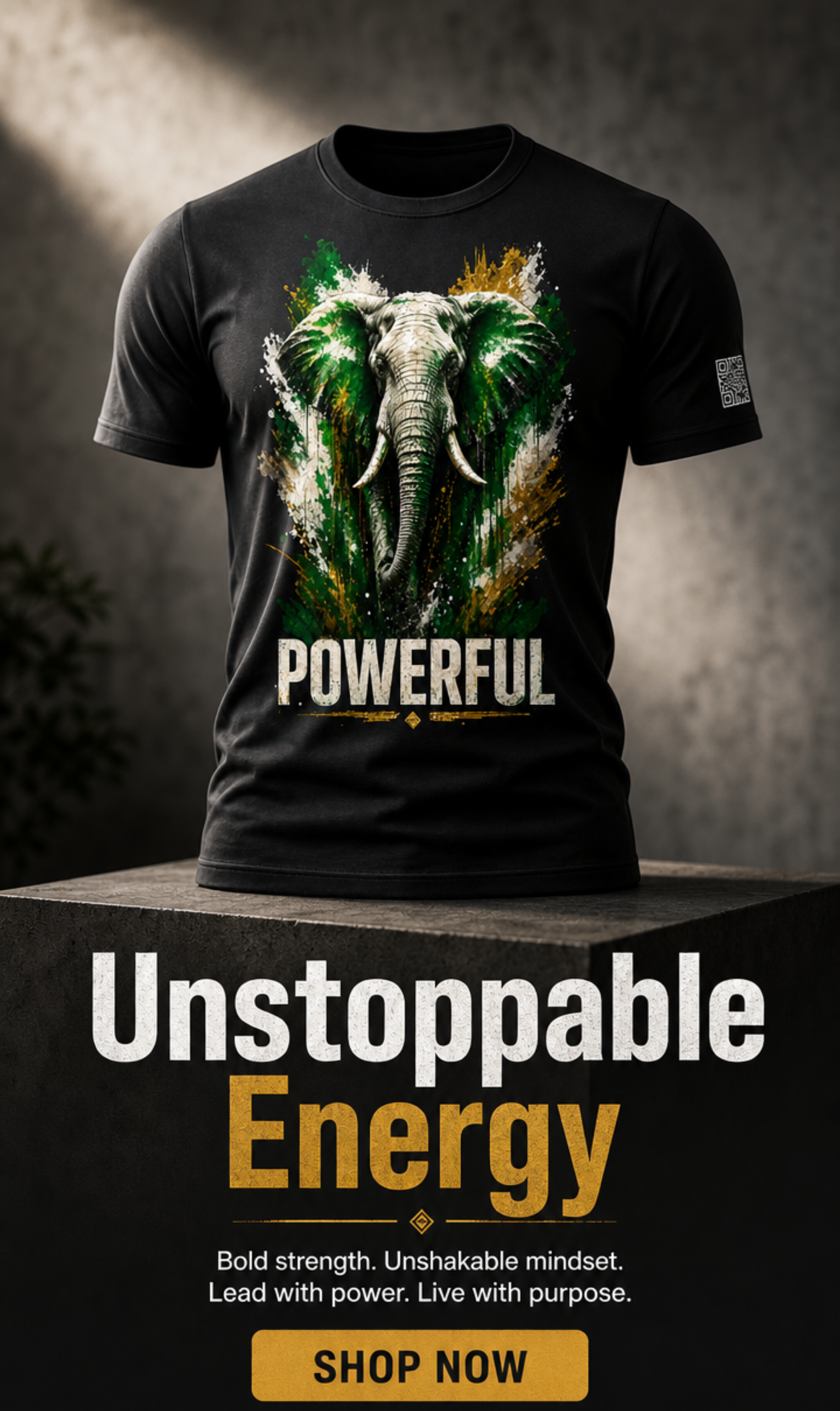
Powerful Unisex Graphic Tee - Affirmation Apparel by Sawubona Life
Quick Summary
To shop tagless clothing for sensitive skin, check five things before buying: printed or absent neck labels, flat or bonded seams, full fabric content, a size chart with chest and length measurements, and a return policy covering unworn items. True tagless construction means no sewn-in tags, and it is not the same as seamless.
Sensitive skin is a skin reaction, while sensory sensitivity is a nervous-system response to texture and pressure.
Combed and ring-spun cotton feel smoother than standard carded cotton because shorter fibers are removed.
Wash tagless pieces cold and tumble low to keep printed labels and soft fabric intact.
For children, prioritize label construction and a wide neckline that pulls over the head without tugging.
Cut sewn-in tags with small scissors, close to the stitching but never through it.
Why Tagless Clothing Changes Daily Comfort
Sawubona. It's an isiZulu greeting that means "I see you," and it carries a simple idea: that being truly seen, exactly as you are, is where comfort begins. That same principle sits at the heart of how to shop for tagless clothing for sensitive skin. At Sawubona Life, we design ultra-soft, tagless apparel.
The scratchy neck label is the first thing most people think of, and for good reason.
That's the shift worth understanding before you buy anything. Below, we'll walk through fabrics, seams, fit, and a practical checklist you can carry into any store or product page.
Sensitive Skin vs Sensory Sensitivity: What's the Difference
Sensitive skin is a skin-level reaction: redness, itching, or stinging where fabric meets skin. Sensory sensitivity is a nervous-system response, where the brain registers texture, pressure, or seams as overwhelming even when the skin looks completely normal.
That distinction matters because the fixes overlap but aren't identical. Someone with sensitive skin benefits most from breathable fabric and gentle dyes. Someone with sensory sensitivities may tolerate a soft fabric fine but be undone by a single stiff seam or a snug waistband.
Many people have both. If you're still working out which is driving your discomfort, our guide on how to find sensory-safe clothing walks through a step-by-step trigger test and a shopping checklist for adults and kids.
The Best Fabrics for Sensitive Skin
Fabric weight matters as much as fiber. A lightweight jersey drapes and moves; a heavy, dense knit presses on the body and traps heat. Stretch helps too, since a fabric that gives with you creates less pressure at the shoulders and waist. If you're managing chronic pain alongside skin sensitivity, our breakdown of the best soft clothing for chronic pain relief goes deeper into fits and adaptive features.
Fabric-by-Fabric Guidance
Cotton (combed or ring-spun): Breathable, familiar, and easy to launder. Combed and ring-spun cotton feel smoother against skin than standard carded cotton because shorter fibers are removed. Trade-off: cotton absorbs moisture and dries slowly, so it can feel damp and clingy during heavy sweat. Best for everyday tees, sleepwear, and anyone who wants a predictable, low-irritation baseline.
Modal and bamboo viscose: Silky, cool, and drapes well, with a smooth hand-feel that suits people whose main trigger is texture. Trade-off: these fibers can pill with friction and may lose shape if washed hot. A strong pick for sensitive skin on the torso and for sleepwear, provided you wash cold and dry low.
Tencel lyocell: Smooth with a slight coolness and good moisture management, which helps people who run warm or sweat easily. Trade-off: it wrinkles and can feel limp when wet, and quality varies by fabric weight. Good for warm sleepers and humid climates.
Merino wool (fine-gauge): Warm without bulk and naturally odor-resistant, and fine merino is far gentler than standard wool. Trade-off: even fine merino can prickle some wearers, and it needs gentler care. Test a base layer on a short day before committing.
Linen: Highly breathable and gets softer with washing, but stiff linen has a raised, slubby texture that registers as scratchy to many sensitive wearers. Trade-off: excellent for heat, poor for tactile sensitivity unless it is a washed, softened linen blend.
Polyester and synthetic blends: Varies widely. Cheap blends feel slick or clammy and trap heat; higher-quality blends with a brushed or smooth finish can be fine. Trade-off: synthetics are durable and cheap but less breathable, so they suit outer layers better than next-to-skin wear.
Fleece and brushed knits: Soft surface, but the brushed pile can mat and stiffen over time. Good for cool-weather layering, less ideal as a base layer against reactive skin.
Pro Tip: When you cannot touch a garment before buying, read the fabric composition and weight first, then the care label. A fabric that needs hot water and high heat to stay presentable will rarely stay soft for long.
Each fabric brings its own feel and trade-off, so match the fiber to your main trigger.
Clothing Without Itchy Tags: What to Look For
Clothing without itchy tags starts with the neckline.
Here's what separates real tagless construction from marketing:
Printed neck labels instead of sewn-in tags, or no label at all
Flat seams at the shoulders and sides, not raised overlock stitching
No loose threads inside the garment, which catch and pull
A smooth, soft neckline that doesn't scratch where it meets skin
Care instructions printed on the fabric, not on a dangling tag
A common mistake is assuming "tagless" means "seamless." They're different claims. Check both.

Close-up of Sawubona Life's Tagless Design and Smooth Neckline on the Dopest Unisex Graphic Tee
Tagless Shirts for Sensitive Skin: A Practical Shopping Checklist
Tagless shirts for sensitive skin should pass five checks before you buy: label construction, seam type, fabric content, fit, and return policy. If you're weighing whether sensory-friendly pieces are worth the investment, read are sensory-friendly clothes worth it for an honest look at costs, benefits, and real-world value. Run every candidate through this list, and compare candidates side by side on the same criteria so you are not swayed by marketing language.
The Five Comparison Criteria
Label construction. A true tagless shirt uses a printed label or no label at all. Printed labels should sit flat, use soft ink, and be positioned where they will not rub. Ask whether the print is heat-set or screen-printed, since some heat-set labels crack and stiffen after a few washes.
Seam type and placement. Look for flatlock, bonded, or taped seams at the shoulders, sides, and armholes. Seam placement matters as much as seam type: a flat seam running across the shoulder blade can still register as pressure. Check the inside of the garment, not just the outside.
Fabric content and weight. The composition should be listed in full, with weight if available. A shirt described only as "soft fabric" tells you nothing about breathability, stretch, or how it will wear after ten washes.
Fit and size range. A size chart should include chest and length measurements, not just S/M/L. For children, check whether the brand offers a range that accounts for growth and whether the neckline is wide enough to pull over the head without tugging.
Return policy. A return window that covers unworn items lets you test the feel at home. Confirm whether printed labels or washed garments affect eligibility before you order.
The Checklist
Neck label is printed or absent, not sewn in
Seams are flat or bonded, especially at the shoulders
Fabric content is listed in full, with weight if available
Size chart includes chest and length measurements, not just S/M/L
Return policy covers unworn items so you can test the feel
Care label is printed, not a hanging tag
No stiff interfacing or rough binding at the collar
Waistbands and cuffs use covered elastic, not exposed rubber
Inside seams are trimmed with no loose threads
Adults Versus Children
The criteria are the same, but the priorities differ. For adults, fit and fabric weight usually drive daily comfort, and everyday basics, sleepwear, and underwear are the garments most worth upgrading first. For children, label construction and neckline size matter more, because kids notice a scratchy tag immediately and a tight collar can turn getting dressed into a struggle. Look for wider neck openings, printed care labels, and flat seams at the shoulders, and size up in waistbands rather than accepting a snug fit.
Key Takeaway: Compare three candidates on the same five criteria before you buy. The shirt that wins on label construction and seam type is usually the one that stays comfortable past the first hour.
Seamless Clothing for Sensory Sensitivity: Seams, Stitching, and Fit
Seamless clothing for sensory sensitivity removes the raised ridges that press into skin, using flatlock or bonded construction instead of bulky overlock stitching. Seam placement matters as much as seam type: a flat seam running across the shoulder blade can still register as pressure.
What most guides miss is the waistband and collar. A snug ribbed collar or a tight elastic band can undo an otherwise comfortable garment. Prioritize soft, covered elastic and collars with a little give.
Common Tactile Triggers and How to Reduce Irritation
Itchy tags: Cut them out entirely, or choose printed labels
Raised seams: Wear the garment inside out at home to test whether seams are the culprit
Stiff fabric: Wash new pieces before wearing to soften sizing and finishes
Tight bands: Size up in waistbands and cuffs, or choose covered elastic
Loose threads: Trim them, since a single thread can catch and pull all day
Care, Durability, and Label Removal Tips
Care decides whether a comfortable shirt stays comfortable. Printed labels can crack or peel if washed hot, and soft fabric can stiffen with harsh detergent or high heat.
A few habits that protect both feel and lifespan:
Wash cold and tumble low, or hang dry, to preserve softness
Skip fabric softener, which can leave a residue that feels slick or waxy
Turn garments inside out to protect printed labels and seams
Remove sewn-in tags carefully with small scissors, cutting close but never through the stitching
Check seams after a few washes, since loose threads often appear then
As T. Williams put it, the fabric "feels soft and good quality, and they've held up fine after washing."
Shop Tagless Clothing That Honors Your Comfort
We're a Black, women-owned conscious apparel brand built around premium, ultra-soft, tagless pieces designed to honor your sensory comfort and cultural identity.
Our tees carry subtle sleeve QR codes for quiet advocacy, a gentle reminder that your presence is essential and valid. As T. Avon shared, "I have somewhat sensitive skin, so finding shirts that do not irritate me is a boon."
Ready to build a wardrobe that feels as good as it looks? Start with our guide on buying tagless mindfulness apparel online, then browse the tagless tee collection and find the fit that works for your body.
Frequently Asked Questions
Is tagless clothing better for sensitive skin?
Tagless clothing is designed without sewn-in neck labels. The fabric and seams still matter, so consider those features alongside the tagless design.
What fabrics are best for sensitive skin?
Consider your own preferences when choosing fabric. Check the material and weight before buying if you have specific sensory needs.
How can I make clothes more comfortable for sensory sensitivities?
Start by considering tagless garments and your preferences for fabric and fit.
What should I look for when shopping for tagless clothing?
Consider whether the garment is tagless and whether its material and weight suit your preferences. A practical checklist can help you compare options.
The Bottom Line
Your comfort isn't a luxury, and it isn't something to earn. Sawubona Life designs ultra-soft, tagless apparel with printed labels, a comfort-focused fit, and mindfulness tools woven in, so getting dressed supports your day instead of draining it. Get started with Sawubona Life and build a wardrobe that sees you back.
WE SEE YOU
PRIORITIZE YOUR COMFORT.
HONOR YOUR NEEDS.