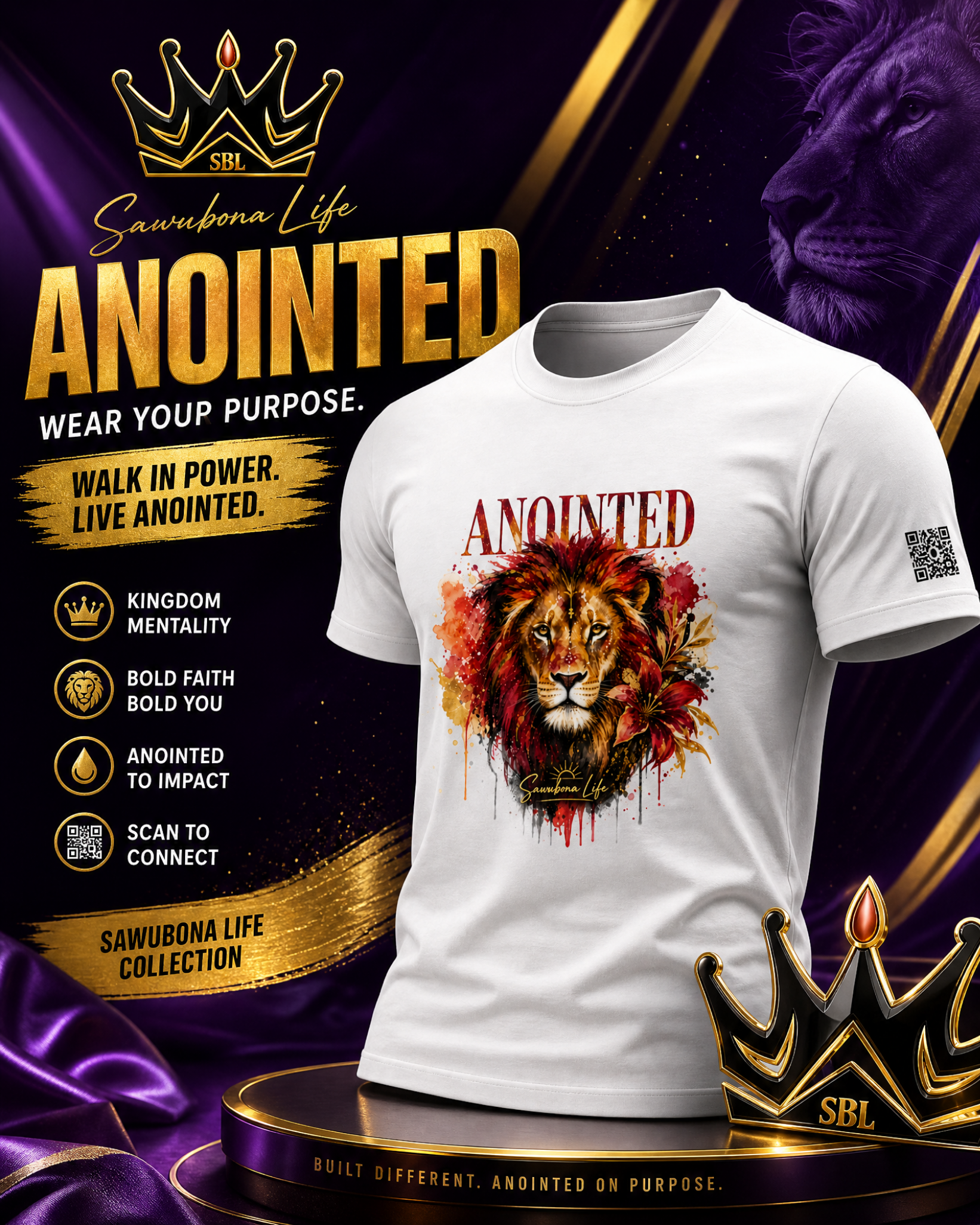
Anointed Lion 2.0 Unisex Graphic Tee - Affirmation Apparel by Sawubona Life
Why Mindful Fashion Trends for 2026 Feel Different
Sawubona. In the isiZulu tradition, that greeting means "I see you," and it carries real weight: it acknowledges your full worth, your lived experience, and where you're headed. That spirit sits at the center of mindful fashion trends for 2026, a season where getting dressed becomes less about chasing every runway moment and more about choosing pieces that genuinely fit your life. This guide from Sawubona Life walks through what's actually wearable this year and how to buy with intention.
The shift is easy to miss if you only read trend roundups. Most of them still lead with novelty: the loudest print, the fastest cycle. But the mood has moved. People want fewer, better pieces that work across seasons, and they want clothing that respects how their bodies and minds actually feel day to day.
Below, we break down the silhouettes, colors, and denim updates worth your attention, plus the practical side most trend pieces skip: cost-per-wear, secondhand shopping, and how to tell a real sustainability claim from a marketing line.
The Sensory-Friendly Clothing Benefits Driving 2026 Design
Sensory-friendly clothing benefits are the quiet force behind some of 2026's best design decisions. Tagless construction, flat seams, and ultra-soft fabrics reduce the small irritations that add up over a long day, which matters enormously for anyone managing sensory processing needs, skin sensitivities, or simply a low tolerance for scratchy clothing.
The idea is simple: when a garment stops demanding your attention, you have more energy for everything else. Scratchy tags, tight waistbands, and stiff collars create a low hum of discomfort that many people only notice once it's gone.
What Actually Makes a Garment Sensory-Friendly
"Sensory-friendly" is a marketing phrase, not a regulated standard, so the label alone tells you very little. What matters is construction. A few details do most of the work:
Tagless necklines. Printed or bonded labels replace sewn-in tags, removing the single most common irritation point.
Flatlock or bonded seams. These lie flat against the skin instead of creating a raised ridge. A buttery-soft tee with a bulky side seam will still bother you by hour three.
Encased or covered elastic. Waistbands wrapped in soft fabric feel different from exposed elastic, even when the stretch is identical.
Fabric weight and hand-feel. Brushed cotton, modal blends, and fine-gauge knits tend to drape without stiffness. Very lightweight fabrics can feel flimsy; very heavy ones can feel restrictive.
Seam placement. Shoulder seams that sit slightly off the top of the shoulder, and side seams that sit slightly forward or back, reduce pressure on sensitive areas.
The Trade-Offs Nobody Mentions
Sensory-friendly construction usually costs something, and it's worth knowing what you're trading:
Bonded seams can delaminate. They're smooth, but heat and repeated washing can break the bond over time. Cold water and low dryer heat extend their life.
Tagless prints can crack. Screen-printed neck labels fade or flake after many washes. A printed label is not automatically more durable than a sewn one; it's just smoother.
Softer fabrics pill faster. Brushed and loosely knit fabrics feel wonderful but abrade more easily. A fabric shaver and a mesh wash bag go a long way.
Loose fits reduce friction but can snag. More fabric means more surface area to catch on door handles, zippers, and bag straps.
How to Shop Without Guessing
Because there's no certification for sensory comfort, the practical approach is to inspect before you commit:
Turn the garment inside out. Look at the seams first, not the fabric. This is where most irritation lives.
Run a finger along the neckline and waistband. If you can feel a ridge, you'll feel it all day.
Check the care label. If it requires dry cleaning or high-heat pressing, you'll wear it less.
Wash one piece before buying more. Fabric behavior after the first wash tells you more than any product description.
Pro Tip: When you shop for sensory comfort, check the seams before the fabric. A buttery-soft tee with a bulky side seam will still bother you by hour three. Flatlock or bonded seams are the details most people overlook.
Why This Trend Is Sticking
The shift toward sensory-friendly design isn't a seasonal moment. It reflects a broader move toward clothing that accommodates real bodies and real nervous systems rather than an idealized wearer. That's part of why our approach at Sawubona Life centers on premium, ultra-soft, tagless apparel. A customer named T. Avon put it plainly: "I have somewhat sensitive skin, so finding shirts that do not irritate me is a boon." Another, T. Williams, noted the fabric "held up fine after washing."
The takeaway: treat sensory-friendly as a set of construction choices you can verify, not a label you trust. Once you know what to look for, you can apply the same checklist to any brand.
How to Practice Mindful Consumption Before You Buy
Learning how to practice mindful consumption starts with one rule: wait before you buy. A short pause between wanting something and purchasing it filters out most impulse buys, and it costs you nothing but a little patience.
Try this before your next purchase:
Name the gap. What specific outfit is missing? "I have nothing to wear" is not a gap. "I need a layer for cool mornings" is.
Check your closet first. You may already own something that fills it.
Set a 48-hour wait. Add it to a list instead of your cart.
Ask the three-wear question. Can you picture at least three real outfits using it?
Read the care label. If it needs dry cleaning every week, you'll wear it less.
The goal isn't buying just anything. It's buying on purpose, so the pieces you own actually get worn. A wardrobe full of clothes you avoid is more expensive than a smaller one you love.
Mental Health Awareness Apparel for Women: Quiet Advocacy
Mental health awareness apparel for women works best when it's subtle. The most effective pieces carry their message quietly, through a phrase, a symbol, or a small detail, so the wearer gets a private reminder without turning her day into a public statement.
That distinction matters. Loud advocacy slogans can feel performative, especially on days when you're just trying to get through your to-do list. Quiet advocacy does the opposite: it speaks to you first.
Quiet Advocacy vs. Performative Advocacy
The difference isn't the message, it's the audience. A performative piece is designed to be read by strangers. A quiet piece is designed to be read by you. That shift changes what you buy and how long you keep it:
Performative pieces tend to be trend-driven, printed on low-cost blanks, and retired after a season.
Quiet pieces tend to be neutral in color and cut, so they layer into an existing wardrobe and get worn for years.
Quiet pieces usually carry their meaning in a small detail, a stitched word, an embroidered symbol, a discreet tag, rather than a full-front graphic.
If a piece only makes sense to an audience, it's a costume. If it steadies you, it's a tool.
How to Evaluate a Mental Health Apparel Brand
Mental health messaging is not regulated the way environmental claims are, so a brand can print a supportive phrase without doing anything to support mental health. A few checks separate substance from surface:
Look for a stated purpose. Does the brand explain why the message exists, or is it just a slogan on a blank?
Check where the message lives. A detail you notice when you put the garment on is doing different work than a graphic facing outward.
Read the care and fabric details. A piece meant to support your daily routine should survive that routine. If it pills, fades, or shrinks after a few washes, it won't be there when you need it.
Look for a real resource, not just a phrase. Some brands link to tools, helplines, or practices. A phrase alone is fine, but a phrase plus a resource does more.
Be skeptical of cause marketing without specifics. If a brand claims to support mental health, look for named partners, published donations, or verifiable programs. Vague language is a yellow flag.
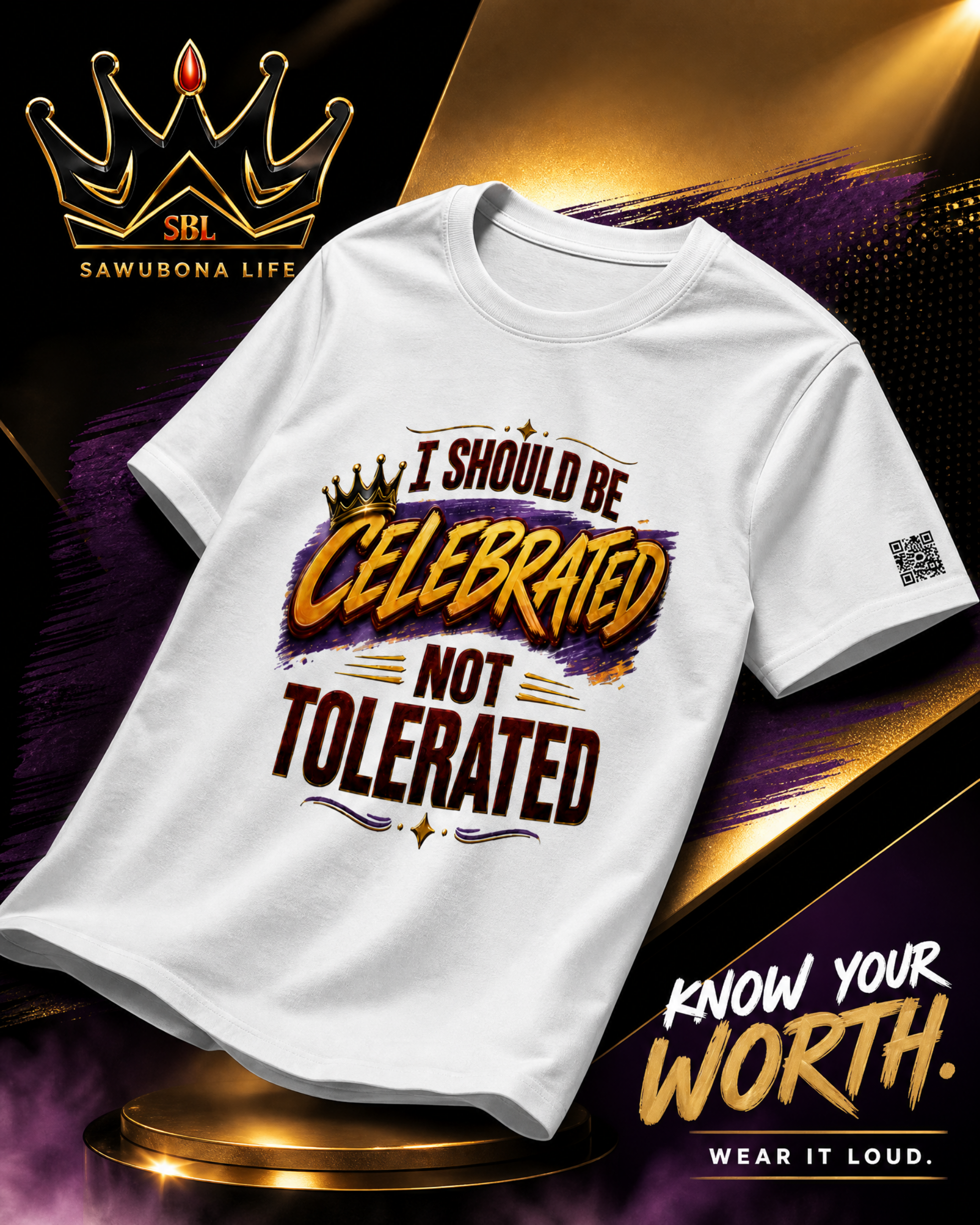
Celebrated 2.0 Unisex Graphic Tee - Affirmation Apparel by Sawubona Life
Care and Longevity for Everyday Advocacy Pieces
Because these pieces are meant to be worn often, durability matters more than for occasion wear:
Wash inside out in cold water to protect printed or embroidered details.
Skip the dryer when you can. Heat is the main cause of shrinkage and print cracking.
Repair small issues early. A loose thread on an embroidered detail is easy to secure; a pulled one is not.
Rotate pieces. Wearing the same garment every day accelerates wear. A small rotation keeps each piece in service longer.
Key Takeaway: The best mental health apparel is the kind you'd wear even if no one else understood the reference. If a piece only makes sense to an audience, it's a costume. If it steadies you, it's a tool.
BE TRUE TO YOURSELF.
HONOR YOUR VALUES.
NO PERFORMANCE REQUIRED.
A Practical Example
This is the thinking behind the subtle sleeve QR codes on our pieces at Sawubona Life. Scan one, and it opens a mindfulness tool, a small anchor for your mental health journey that lives in your clothing rather than your phone's home screen. One customer, A. Meza, described the messaging as "a daily reminder of self-worth and empowerment."
The broader point stands regardless of brand: choose pieces whose message is for you, whose construction will survive daily wear, and whose maker can explain what the message is actually for.
Silhouettes, Tailoring, and Comfort-First Proportions
Comfort-first proportions define the strongest silhouettes of 2026. Tailoring has loosened, volume sits where it won't restrict movement, and the fit conversation has shifted from "does this flatter?" to "does this let me live?"
The key moves:
Relaxed but intentional. Oversized doesn't mean shapeless. Look for a defined shoulder or a clean hem to keep the line grounded.
High-rise, easy waistbands. Comfort at the midsection is non-negotiable for all-day wear.
Layering as architecture. Textured knits over a soft base let you adjust to temperature and mood without changing your whole outfit.
Maxi lengths with movement. Flowy skirts and wide-leg pants read elegant while staying easy to move in.
The throughline is versatility. A piece that works for a meeting, a commute, and a couch session earns its place. A piece that only works for one of those rarely does.
Color Trends and Palettes Rooted in Earthy Neutrals
Earthy neutrals anchor the 2026 palette, with espresso tones and vanilla gold leading the way. These colors do something bold prints can't: they layer together without clashing, which means a smaller wardrobe goes further.
The palette in practice:
Bold prints still have a place, but as accents rather than foundations. A silk scarf or a patterned shoe adds personality without forcing you to rebuild your wardrobe around it. That's the practical case for neutrals: they make the pieces you already own work harder.
Denim Updates: Barrel Jeans and Acid-Wash Denim
For comfort-focused shoppers, the denim advice is the same as everywhere else this year: prioritize fabric weight and stretch over trend labels. A mid-weight denim with a touch of give will outwear a stiff pair that photographs well but fights you all day.
Watch Out: Acid-wash and other treated denims fade faster when washed hot. Turn them inside out, use cold water, and skip the dryer. Ignoring this shortens the life of the finish by months, not weeks.
Cost-Per-Wear: Budgeting a Wardrobe That Lasts
Cost-per-wear is the single most useful number in a mindful wardrobe. Divide what a piece costs by how many times you'll actually wear it, and the math often flips your assumptions about what's "expensive."
A shirt you wear twice a week for two years costs far less per wear than a cheaper one that pills after five washes and gets pushed to the back of the drawer. This is why durability and care belong in the same conversation as price.
A simple framework:
Estimate wears per year. Be honest about your routine.
Estimate the garment's lifespan. Factor in fabric quality and care.
Divide the cost by the total wears. That's your real number.
Compare across options. The higher sticker price sometimes wins.
Budgeting this way also changes what you buy. When you know a piece will be worn dozens of times, you stop optimizing for the lowest price and start optimizing for the longest life.
Secondhand, Rental, and Clothing Swaps in 2026
Secondhand, rental, and clothing swaps have moved from niche to normal, and 2026 is the year they became a standard part of a mindful wardrobe rather than a fallback. Each option solves a different problem.
Secondhand is best for statement pieces, and vintage finds you'll wear for years.
Rental suits are occasion wear you'd otherwise wear once.
Swaps work for refreshing basics without spending anything.
Federal Trade Commission Green Guides on environmental marketing claims sets the standard for how companies may describe environmental benefits, and it's a useful reference when a label feels vague.
Frequently Asked Questions
What is the definition of mindful fashion?
Mindful fashion is the practice of choosing clothing with intention, weighing sensory comfort, durability, versatility, and the values behind the brand before you buy. In 2026, that shows up in wearable styles that prioritize comfort, earthy neutrals, and tagless basics. Instead of chasing every trend, you ask whether a piece fits your personal style, how often you will wear it, and whether the fabric will irritate your skin. Mindful fashion pairs trend awareness with restraint.
How does clothing choice impact mental health?
Clothing sits against your skin all day, so fabric weight, tags, and fit can either calm or aggravate your nervous system. Soft, tagless pieces reduce sensory friction, while meaningful designs can act as a daily anchor for self-worth. For women who wear mental health awareness apparel, a subtle sleeve detail or affirming message can serve as a quiet reminder of dignity during stressful moments. The effect is cumulative: fewer irritations and more intentional cues add up to steadier days.
Why is sensory comfort becoming a priority in fashion trends?
More shoppers now name sensory-friendly clothing benefits as a deciding factor, especially neurodivergent adults and people managing chronic illness. Brands are responding with tagless construction, ultra-soft fabrics, and relaxed silhouettes that do not dig or scratch. In 2026, comfort-focused clothing appears across categories, offering soft waistbands and designs that prioritize ease. The shift treats comfort as a design requirement rather than an afterthought, which benefits every shopper, not just those with sensory sensitivities.
How can I build a more intentional wardrobe in 2026?
Start with how to practice mindful consumption: track cost-per-wear for everything you own, then buy only pieces you will wear at least 30 times. Favor versatile wardrobe staples in earthy neutrals that mix across seasons. Repair what you have, shop secondhand, or shop through clothing swaps. A 20-piece rotation of soft, durable basics you actually reach for beats a closet full of trends you never wear.
The Bottom Line: Trends You Can Live In
The hardest part of any trend season isn't spotting what's new. It's resisting the pressure to buy everything at once. The pieces that last are the ones that fit your body, your sensory needs, and your actual routine.
At Sawubona Life, we build for exactly that: premium, ultra-soft, tagless apparel with subtle sleeve QR codes that turn getting dressed into a small act of self-recognition. As a Black, women-owned brand rooted in the Zulu philosophy of mutual recognition, we make clothing that honors your comfort and your identity at the same time.
Shop now with Sawubona Life and build a wardrobe that sees you back.
PRIORITIZE SENSORY COMFORT.
MINDFUL FASHION OVER FAST FASHION.
SHOP AND PURCHASE WITH INTENTION.
Wear Your Truth Now